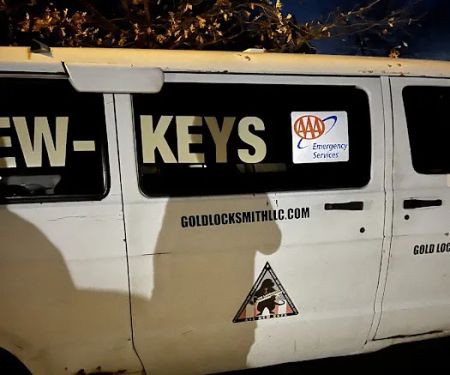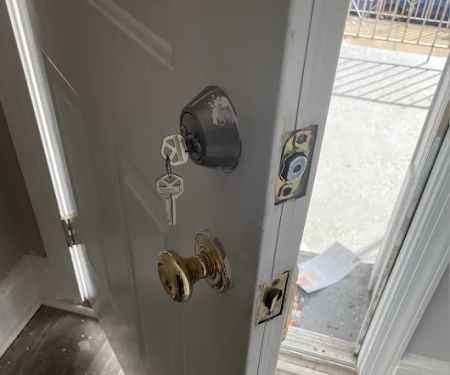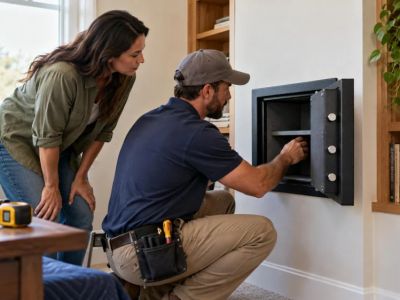
Welcome to Locksmith Finder, your reliable resource for finding professional locksmith near me services anywhere in the United States. Whether you're facing a home lockout, need a replacement key, or want to enhance your property security, our platform connects you with verified and skilled locksmiths near me in your area.
If you're searching for specialized vehicle services, Locksmith Finder makes it easy to locate an expert car locksmith near me or automotive locksmith near me. Our listings also include trusted auto locksmith near me professionals who can assist with key duplication, ignition repair, and emergency lockouts, ensuring you get fast and reliable service whenever you need it.
We carefully collect and verify all information so that every recommendation on our site is accurate and up-to-date. Whether for home, business, or automotive needs, Locksmith Finder is your go-to platform to quickly find the right locksmith near me with confidence.
Locate trusted locksmiths near you in the US. Locksmith Finder provides accurate local locksmith listings to help you find professional locksmith services fast.
Explore Locksmith Tips & Guides with expert advice, tutorials, and safety tips. Stay updated on locksmith techniques and industry news with Locksmith Finder.
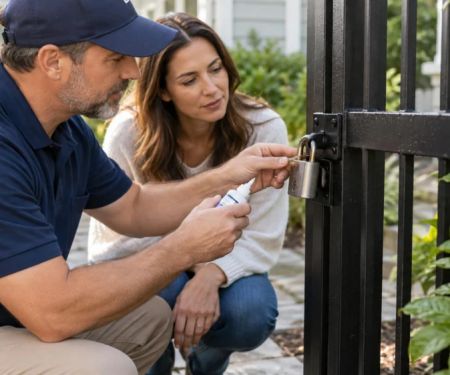
Learn what to do if your lock is rusted and won’t open, including safe DIY methods, lubrication techniques, and when to call a professional locksmith.What to Do If Your Lock Is Rusted and Won’t Open – Easy Fix GuideWhat to Do If Your Lock Is Rusted and Won’t Open: Practical Solutions That Actually Workrust-problem-understanding - why locks seize and stop turningsafe-diy-unlocking-methods - practical steps before forcing anythinglubrication-and-cleaning - restoring movement without damageadvanced-repair-situations - when corrosion becomes structuralreal-life-lockout-stories - everyday emergencies and lessons learnedWhy a Rusted Lock Suddenly Stops WorkingA rusted lock that won’t open is one of those small problems that quickly becomes a big frustration. It usually happens when moisture, humidity, or outdoor exposure slowly eats away at the internal metal components. Over time, the tumblers and pins inside the lock begin to stick together, making it impossible for the key to turn smoothly.Many homeowners only notice the issue when they urgently need access—like getting into a shed, garage, or front door. One common scenario involves seasonal storage units where locks sit unused for months. A small buildup of corrosion is enough to freeze the entire mechanism.In one real case shared by a maintenance worker in Chicago, a storage unit owner couldn’t access important documents after winter storms caused his outdoor padlock to rust completely shut. What seemed like a minor issue turned into a time-sensitive emergency.First Step: Avoid Forcing the KeyWhen dealing with a rusted lock won’t open situation, the worst thing you can do is force the key. Applying pressure often breaks the key inside the lock, turning a simple repair into a costly replacement job.Why Forcing Makes Things WorseRust creates friction and binds internal components. When you force the mechanism, you risk damaging both the key and the locking cylinder. In many cases, broken key extraction requires professional tools.A safer approach always starts with patience and light intervention rather than brute force.Safe DIY Methods to Loosen a Rusted LockBefore calling a locksmith, there are several safe methods you can try at home. These approaches focus on loosening corrosion without damaging internal parts.1. Penetrating LubricantsOne of the most effective solutions is using a penetrating lubricant. These products are designed to seep into tight metal spaces and break down rust bonds.Apply a small amount directly into the keyhole and wait a few minutes before gently inserting the key. Avoid over-spraying, as excess liquid can attract dust over time.2. Gentle Tapping TechniqueLight tapping on the lock body with a small tool can help dislodge internal rust particles. This works especially well on padlocks exposed to outdoor moisture.The key here is subtle force—not enough to damage the casing, but enough to loosen internal sticking points.3. Graphite Powder SolutionGraphite lubricant is another option often recommended for older locks. Unlike oil-based solutions, it doesn’t attract dirt and provides long-term smooth operation.Cleaning Out Heavy Rust Build-UpWhen rust is visible on the exterior of the lock, it often means the internal mechanism is also affected. In these cases, cleaning becomes necessary before any unlocking attempt.Surface Rust RemovalUse a soft wire brush or cloth to gently remove visible corrosion. This helps expose the keyhole and reduces resistance.Internal Corrosion ChallengesIf rust has spread inside the cylinder, the lock may require repeated lubrication cycles combined with slow key movement to restore function.In severe cases, even after cleaning, the lock may only partially recover, indicating internal structural damage.Real-Life Case: The Backyard Shed Lock FailureA homeowner in Florida once reported being locked out of his backyard shed for weeks after coastal humidity caused severe rusting. The lock had not been used all summer, and salt air accelerated corrosion.After several failed DIY attempts, he eventually used a combination of penetrating oil and gentle key rocking motion over several hours. The lock finally released, but the internal mechanism was permanently weakened and had to be replaced.This case highlights an important lesson: even when a rusted lock won’t open successfully after treatment, the underlying damage may still require replacement rather than repair.When the Lock Is Beyond RepairNot all locks can be saved. If corrosion has deeply penetrated the internal structure, the safest option is replacement.Signs of Irreversible DamageA lock that remains stiff even after lubrication, or one that produces grinding sounds when turned, often indicates permanent internal wear.At this stage, continued force risks breaking the mechanism entirely.Why Replacement Is Sometimes SmarterModern locks are relatively inexpensive compared to the risk of being locked out. Replacing a damaged unit ensures security and prevents repeat issues.Preventing Rusted Lock Problems in the FuturePrevention is always easier than repair. A few simple habits can dramatically extend the life of your locks.Regular Maintenance RoutineApplying lubricant every few months keeps internal components moving freely. This is especially important for outdoor locks exposed to weather.Weather Protection TipsUsing protective covers or choosing weather-resistant locks can significantly reduce rust formation. Stainless steel or coated locks perform better in humid environments.For users looking for professional guidance or emergency assistance, platforms like Locksmith Finder can help connect you with reliable locksmith services and suitable replacement options.Why Understanding Lock Rust Saves Time and StressKnowing what to do when a rusted lock won’t open helps prevent panic-driven mistakes. Most lock failures happen gradually, giving early warning signs like stiffness or resistance.By responding early with safe methods—rather than force—you can often restore functionality or at least avoid worsening the damage.Whether it’s a shed, gate, or front door, understanding how rust affects lock mechanisms empowers you to act quickly and intelligently when problems arise.
Learn what to do when your door lock spins but doesn’t open, why it happens, and practical steps to fix or safely resolve the issue before calling a locksmith.
Learn how to find an emergency locksmith near me in Corpus Christi TX for car lockouts, what to expect from 24/7 mobile locksmith services, real rescue stories, and expert tips to avoid costly lockout mistakes.
Learn whether a locksmith near me can legally unlock any door, including rules, exceptions, real cases, and how licensed locksmiths operate within legal boundaries.