
- 1-Understanding-Licensed-Locksmiths
- 2-Why-Choose-a-Licensed-Professional
- 3-Researching-Local-Locksmith-Options
- 4-Checking-Credentials-and-Certifications
- 5-Reading-Reviews-and-Reputation
- 6-Assessing-Services-and-Specializations
- 7-Evaluating-Costs-and-Transparency
- 8-Emergency-Access-and-Availability
- 9-Real-Life-Case-Studies
- 10-Building-Long-Term-Trust-with-Your-Locksmith
1. Understanding Licensed Locksmiths
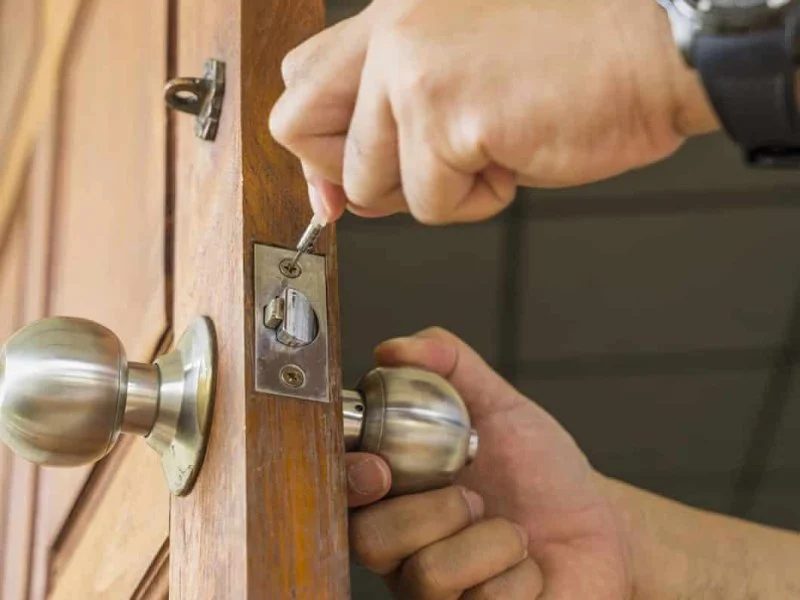
A licensed locksmith is a professional who has met specific state requirements to legally provide locksmith services. Licensing ensures that the individual has undergone training, background checks, and possesses the technical skills to perform tasks safely. Understanding what licensing entails helps beginners distinguish between professional services and unverified providers.
1.1 What Licensing Involves
Licensing requirements vary across the US, but generally include passing a written exam, demonstrating hands-on proficiency, and maintaining ethical standards. Many states require periodic renewal to keep credentials valid. Licensed locksmiths are accountable to regulatory authorities, offering a layer of protection for consumers.
1.2 Why Licensing Matters
Choosing a licensed locksmith reduces the risk of damage, theft, or scams. Unlicensed individuals may lack proper training, leading to errors in key duplication, lock repair, or installation. Licensing acts as a form of verification for both skill and reliability.
2. Why Choose a Licensed Professional
Hiring a licensed locksmith provides several benefits beyond compliance with the law. These professionals are trained to handle complex security issues, protect property, and maintain confidentiality.
2.1 Security Assurance
Licensed locksmiths follow industry standards, ensuring that locks are installed or repaired correctly. Their expertise reduces vulnerabilities and protects homes, vehicles, and commercial properties from unauthorized access.
2.2 Liability Protection
Licensed professionals carry insurance and bonds, which safeguard clients in case of accidental damage. This is critical for homeowners and business owners seeking peace of mind during lock-related emergencies.
3. Researching Local Locksmith Options
Begin by identifying locksmiths in your area. Local services offer faster response times, particularly in emergencies.
3.1 Online Searches and Directories
Websites, local directories, and online maps help locate licensed locksmiths nearby. Filtering results by licensing status and verified credentials ensures reliability.
3.2 Recommendations and Referrals
Friends, family, and colleagues can provide trustworthy referrals. Personal experiences often highlight professionalism, reliability, and quality of work.
4. Checking Credentials and Certifications
Verifying a locksmith’s credentials is critical. Licensing alone may not capture all aspects of expertise.
4.1 State Licensing Boards
Each state maintains a list of licensed locksmiths. Confirming registration ensures legal compliance and prevents hiring unverified providers.
4.2 Industry Certifications
Additional certifications from professional associations, such as the Associated Locksmiths of America (ALOA), indicate advanced training and commitment to industry standards.
5. Reading Reviews and Reputation
Customer reviews, testimonials, and ratings provide insight into a locksmith’s reliability, professionalism, and quality of work.
5.1 Online Platforms
Google, Yelp, and BBB listings offer detailed customer feedback. Look for patterns in reviews, paying attention to how the locksmith responds to complaints.
5.2 Reputation in the Community
Longstanding businesses with strong local reputations often indicate consistent service quality. Engaging with community forums or neighborhood groups can reveal trusted providers.
6. Assessing Services and Specializations
Not all locksmiths offer the same services. Evaluate your needs and ensure the professional can provide the required expertise.
6.1 Residential vs. Commercial
Residential locksmiths focus on home security systems, locks, and key duplication. Commercial locksmiths handle access control systems, master key systems, and high-security installations.
6.2 Specialized Services
Some locksmiths provide automotive services, safe opening, or electronic lock installations. Selecting a professional with the right specialization ensures efficient solutions.
7. Evaluating Costs and Transparency
Clear communication about pricing prevents unexpected charges and builds trust.
7.1 Requesting Estimates
Ask for detailed quotes before work begins. Estimates should include labor, parts, and any additional fees.
7.2 Understanding Pricing Structures
Emergency services may cost more than scheduled appointments. Knowing the pricing structure ahead of time allows for informed decisions.
8. Emergency Access and Availability
Lockouts and urgent security issues require rapid response. Assess the locksmith’s availability for emergencies and their average response time.
8.1 24/7 Services
Licensed locksmiths offering round-the-clock assistance provide reassurance during critical situations, such as late-night lockouts or urgent security breaches.
8.2 Response Efficiency
Reliable locksmiths arrive promptly and handle situations effectively, minimizing stress and potential property damage.
9. Real-Life Case Studies
Several homeowners have shared experiences where hiring a licensed locksmith prevented potential theft or property damage. One example involved a family who lost their keys and needed immediate entry; the licensed professional quickly gained access without damaging the door, highlighting the advantage of certified expertise.
9.1 Lessons Learned
These cases emphasize the importance of licensing, prompt response, and specialized skills. Customers consistently report higher satisfaction and long-term trust with licensed professionals.
10. Building Long-Term Trust with Your Locksmith
Developing a relationship with a reliable, licensed locksmith ensures ongoing security and peace of mind.
10.1 Keeping Contact Information Accessible
Maintain the locksmith’s contact details for emergencies or scheduled maintenance. Prompt access to a trusted professional reduces anxiety and ensures immediate support.
10.2 Periodic Security Assessments
Regular consultations with your locksmith, including key system evaluations and lock upgrades, reinforce home or business security. Locksmith Finder offers a curated network of trusted licensed professionals to support these long-term security strategies.
By following this complete beginner’s guide, you can confidently choose a licensed locksmith in the US, ensuring safety, reliability, and professional service. Proper research, verification, and establishing a relationship with your locksmith protects both your property and your peace of mind.
 Columbus Metro Locksmith4.0 (615 reviews)
 KeyMe Locksmiths4.0 (46 reviews)
 KeyMe Locksmiths4.0 (125 reviews)
 Minute Key0.0 (0 reviews)
 KeyMe Locksmiths1.0 (1 reviews)
 KeyMe Locksmiths4.0 (29 reviews)
 Locksmith Tips for Handling Lockouts During Holidays
 Can a Locksmith Replace Smart Lock Systems Near Me
 How to Secure Sliding Glass Doors With Smart Locks and Deadbolts
 The Benefits of Hiring a Licensed Locksmith for Emergency Situations
 Can a Locksmith Unlock Digital Door Locks Near Me Quickly | Expert Solutions
 How to Upgrade Your Front Door With Smart Lock Integration