
- - Why Sliding Doors Need Extra Security
- - Common Weaknesses in Sliding Door Locks
- - Types of Locks Experts Recommend
- - Best Locks for Sliding Glass Doors
- - Smart Lock Options for Modern Homes
- - How Professional Locksmiths Evaluate Security
- - Mistakes Homeowners Make with Sliding Door Security
- - Real World Break-In Examples
- - How to Choose the Right Lock for Your Home
- - Maintenance Tips for Long-Term Protection
Why Sliding Doors Need Extra Security
Sliding doors remain one of the most attractive features in modern American homes. They allow natural light into living spaces, create easy backyard access, and make patios feel connected to indoor areas. However, security professionals consistently point out that sliding doors are often among the weakest entry points in a house.
Unlike traditional front doors that usually include reinforced frames, deadbolts, and solid-core materials, many sliding glass doors rely on lightweight latch systems. Some older models can even be forced open with basic leverage tools or lifted from their tracks if they are poorly maintained.
This vulnerability is one reason experienced locksmiths regularly recommend upgrading standard sliding door locks immediately after moving into a new home. In many burglary investigations, intruders target rear entrances specifically because they are less visible from the street and often less protected.
A retired home security consultant in Arizona once explained during an interview that homeowners spend thousands of dollars on alarm systems but ignore the patio door entirely. He described multiple break-ins where burglars bypassed expensive security setups simply by forcing open outdated sliding locks in less than a minute.
That reality has pushed many homeowners to search for the best locks for sliding doors according to experts rather than relying on factory-installed hardware.

Common Weaknesses in Sliding Door Locks
1. Weak Factory Latches
Most standard sliding doors include simple latch locks designed primarily for convenience instead of true security. These locks may stop casual entry but often fail under force.
Cheap latch systems usually suffer from:
- Thin metal construction
- Loose alignment over time
- Weak mounting screws
- Minimal resistance against prying
Experts frequently note that factory locks should be viewed as a starting point, not a complete security solution.
2. Lift-Out Vulnerabilities
Many homeowners are surprised to learn that some sliding doors can literally be lifted off their tracks from the outside. Older doors with worn rollers are especially vulnerable.
Professional burglars sometimes use this method because it creates less noise than breaking glass.
3. Glass Exposure
Sliding doors contain large glass panels, which naturally create another concern. If the lock is positioned too close to the glass surface, intruders may break the glass and unlock the door manually.
This is why experts often recommend layered protection rather than relying on a single lock.
4. Poor Maintenance
Dirt buildup, misaligned tracks, rust, and worn rollers reduce locking effectiveness. Even strong locks become unreliable when doors do not close properly.
Locksmiths frequently mention that maintenance problems create hidden security risks homeowners rarely notice until something goes wrong.
Types of Locks Experts Recommend
1. Double Bolt Sliding Door Locks
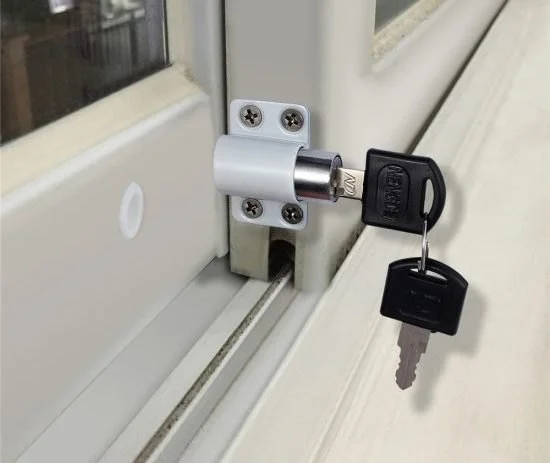
Double bolt locks are among the most recommended upgrades for sliding glass doors. These locks secure the moving panel more firmly into the frame compared to simple latch systems.
Why Experts Like Them
- More resistant to forced entry
- Harder to pry open
- Better structural engagement
- Affordable installation cost
Many locksmiths consider these one of the best value upgrades for homeowners seeking immediate security improvements.
2. Security Bars and Charley Bars
A security bar physically blocks the sliding door from opening. Despite their simplicity, they remain highly effective.
Advantages
- Low cost
- Easy installation
- No electrical components
- Visible deterrent effect
Some homeowners underestimate these devices because they look basic, but experienced locksmiths consistently recommend them as secondary protection.
3. Loop Locks
Loop locks attach near the top of the door and prevent it from sliding fully open. These are especially useful for homes with children because they allow partial ventilation while maintaining security.
Ideal Uses
- Homes with pets
- Second-floor balconies
- Child safety applications
- Nighttime ventilation
4. Mortise Locks
Mortise locks fit inside the door frame and offer a cleaner appearance with stronger internal protection. Higher-end sliding doors often use mortise systems because they provide smoother operation and increased durability.
Professional installers usually recommend mortise locks for homeowners investing in long-term security upgrades.
5. Keyed Patio Door Locks
Keyed locks add another security layer by requiring a physical key from either side.
Experts often recommend keyed locks for:
- Vacation homes
- Rental properties
- Ground-floor condos
- Homes with isolated backyard access
However, locksmiths also warn homeowners to consider emergency exit safety when selecting keyed systems.
Best Locks for Sliding Glass Doors
Best Overall Choice for Most Homes
Many security professionals prefer combining multiple devices instead of relying on one “perfect” lock. A layered setup often includes:
- Reinforced main lock
- Security bar
- Anti-lift device
- Glass break sensor
This approach dramatically increases the effort required for forced entry.
Best Budget-Friendly Option
A heavy-duty security bar remains one of the most cost-effective upgrades available. Even experienced burglars generally avoid doors requiring additional time and noise to breach.
Best Choice for Families
Loop locks and child-safe upper locks provide security while allowing airflow and limited opening distance.
Best Option for Smart Homes
Smart sliding door locks are becoming increasingly popular among homeowners who want remote monitoring and app-based control.
Features often include:
- Mobile alerts
- Remote locking
- Activity tracking
- Voice assistant compatibility
- Temporary guest access codes
Still, many locksmiths caution against depending solely on electronic systems without mechanical backup protection.
Smart Lock Options for Modern Homes
The Rise of Smart Security
Home automation changed how Americans think about security. Many homeowners now want complete visibility over entry points from their smartphones.
Smart sliding door locks appeal especially to:
- Frequent travelers
- Vacation rental owners
- Tech-focused homeowners
- Busy families
Benefits of Smart Sliding Door Locks
Real-Time Notifications
If a sliding door opens unexpectedly, homeowners receive immediate alerts.
Remote Monitoring
Checking lock status while away from home adds peace of mind.
Temporary Guest Access
Some systems allow temporary digital access codes for cleaners, guests, or maintenance workers.
Potential Downsides
Despite their convenience, smart locks still require thoughtful setup.
Potential concerns include:
- Battery failures
- Wi-Fi interruptions
- Software vulnerabilities
- Compatibility issues
Security experts usually recommend pairing smart systems with physical reinforcement devices.
How Professional Locksmiths Evaluate Security
Track Alignment Inspection
Experienced locksmiths first inspect the sliding mechanism itself. A poorly aligned track weakens even high-end locks.
Frame Strength Testing
Weak aluminum frames may bend under force. Reinforced strike plates and stronger screws improve durability significantly.
Entry Visibility Assessment
Backyard visibility matters more than many homeowners realize. Hidden patio doors create ideal opportunities for intruders.
Professionals often recommend:
- Motion lighting
- Security cameras
- Landscape trimming
- Visible alarm signage
Glass Security Evaluation
Some experts recommend laminated or impact-resistant glass films to reduce shattering risk.
A locksmith in Florida once described a case where laminated film prevented burglars from entering despite repeated attempts to smash the patio door. The intruders eventually abandoned the effort because entry required too much time and noise.
Stories like this explain why layered protection strategies matter.
Mistakes Homeowners Make with Sliding Door Security
1. Assuming Factory Locks Are Enough
This remains the most common mistake. Factory hardware often prioritizes affordability and appearance rather than maximum protection.
2. Forgetting Secondary Security Devices
Even excellent locks benefit from secondary barriers like security bars and anti-lift blocks.
3. Ignoring Small Maintenance Problems
Sticky tracks and loose handles may seem minor but can reduce locking effectiveness significantly.
4. Leaving Doors Unlocked During Short Trips
Many break-ins happen during quick errands because homeowners assume they will return shortly.
5. Focusing Only on Technology
Some homeowners rely heavily on smart devices while ignoring physical reinforcement. Mechanical strength still matters.
Real World Break-In Examples
Case Study: Vacation Rental Weakness
A California vacation rental owner discovered repeated unauthorized entries through a patio door despite installing security cameras. The issue turned out to be an outdated latch lock easily bypassed with force.
After upgrading to:
- A reinforced mortise lock
- An anti-lift device
- A security bar
- Glass break sensors
The property experienced no additional incidents.
Case Study: Child Safety Concern
A family in Texas installed upper loop locks after their toddler learned how to open the sliding door independently. The upgrade improved both child safety and home security.
Case Study: Smart Lock Success
A homeowner traveling overseas received a smartphone notification showing unexpected patio door movement. Security cameras confirmed suspicious activity, allowing local authorities to respond quickly.
Without remote monitoring, the attempted break-in might have gone unnoticed for days.
How to Choose the Right Lock for Your Home
Consider Your Living Situation
Apartment Residents
Portable security bars and removable reinforcement devices work well for renters because they usually require minimal permanent modifications.
Families with Children
Upper-level locks and partial-opening systems improve safety.
Vacation Home Owners
Smart locks with remote alerts provide additional oversight when properties remain empty for extended periods.
Luxury Homes
Integrated smart security systems combined with reinforced frames often provide the best long-term solution.
Evaluate Crime Rates in Your Area
Neighborhood conditions matter. Homes with secluded patios or limited visibility may require stronger protection.
Think About Daily Convenience
Security devices only work if people consistently use them. Overly complicated systems may encourage bad habits.
Experts usually recommend practical solutions homeowners can use comfortably every day.
Professional Installation vs DIY
Some sliding door locks install easily with basic tools. Others require professional alignment for proper performance.
Many homeowners use resources like Locksmith Finder to compare local locksmith services, emergency lock specialists, sliding door security upgrades, and professional installation options before making final decisions.
Maintenance Tips for Long-Term Protection
Clean Tracks Regularly
Dirt and debris reduce smooth operation and place strain on locking systems.
Inspect Screws and Hardware
Loose screws weaken overall security. Periodic tightening improves stability.
Lubricate Moving Parts
Proper lubrication keeps locks functioning smoothly while reducing wear.
Test Security Devices Monthly
Many homeowners install security upgrades but rarely test them afterward.
Experts recommend checking:
- Lock engagement
- Sensor batteries
- Smart app connectivity
- Door alignment
- Security bar positioning
Replace Worn Components Quickly
Small issues become major vulnerabilities over time. Replacing damaged rollers, worn tracks, or weak latches early helps avoid bigger security problems later.
Sliding doors offer beauty, convenience, and natural light, but they also require thoughtful protection. Security professionals consistently agree that the best locks for sliding doors combine strong mechanical hardware, layered reinforcement, smart maintenance, and practical daily use.
Whether homeowners choose reinforced mortise locks, keyed systems, anti-lift devices, smart locks, or simple security bars, the most important step is taking sliding door security seriously before a problem occurs.
Investing in stronger patio door protection today can help prevent expensive losses, safety concerns, and stressful break-ins tomorrow.
 KeyMe Locksmiths3.0 (5 reviews)
 Minute Key0.0 (0 reviews)
 KeyMe Locksmiths2.0 (3 reviews)
 Minute Key5.0 (2 reviews)
 KeyMe Locksmiths4.0 (23 reviews)
 One Stop Locksmith4.0 (56 reviews)
 The Benefits of Installing a Home Security Alarm System – Protect Your Home
 Locksmith Tips for Choosing the Right Lock for Each Room
 What to Do If Your Car Key Stops Working Suddenly While Traveling
 How to Secure Your Garage Door Against Common Break-In Methods
 How to Protect Your Home From Burglary During Holidays or Travel
 How to Protect Your Home From Unauthorized Entry During Parties - Safety Tips