
- 1 - Preparing Your Home for Absence
- 2 - Physical Security Measures
- 3 - Technology and Surveillance
- 4 - Neighbor and Community Strategies
- 5 - Professional Services and Locksmiths
1. Preparing Your Home for Absence
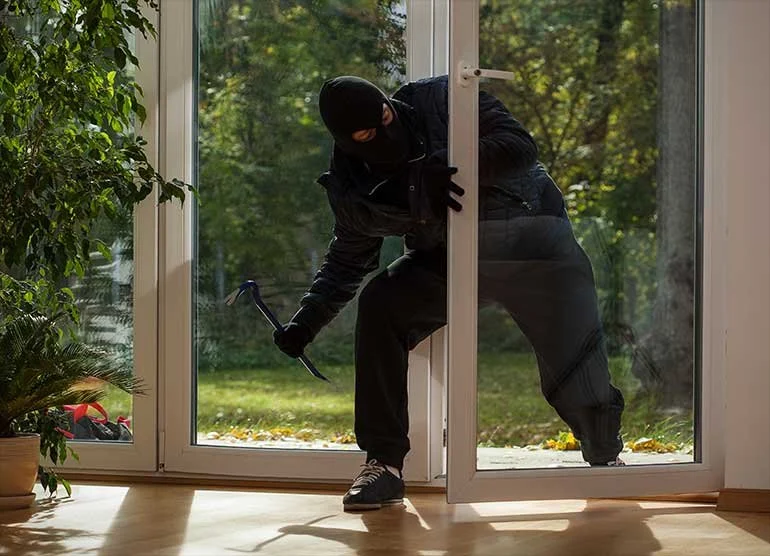
One of the most important steps in protecting your home from burglary during holidays or travel is proper preparation. Burglars often look for obvious signs that a home is empty, such as piled-up mail, uncollected newspapers, or darkened windows. By addressing these vulnerabilities before leaving, you significantly reduce the risk of intrusion.
1.1 Manage Mail and Deliveries
Arrange for mail and newspaper collections to be paused or handled by a trusted neighbor. Some homeowners have even found that using smart mailbox solutions can alert them when new mail arrives, avoiding a telltale pile. In one documented case in Florida, a burglar targeted a home with weeks of accumulated mail and was caught on surveillance.

1.2 Control Visibility from Outside
Ensure that windows and doors are covered in a way that prevents outsiders from seeing inside. Timed lighting systems can create the illusion of occupancy, especially if lights are staggered in multiple rooms. A resident in California reported that burglars bypassed her home entirely after she installed simple timer lights mimicking normal activity.
1.3 Secure Valuables
Before leaving, move important documents, jewelry, and small electronics to a secure location. A safe, ideally fireproof and bolted to the floor, is highly recommended. Locksmith Finder offers guidance on choosing the most secure safes and local services to install them professionally.
2. Physical Security Measures
Physical security remains the most reliable layer of home protection. Ensuring that doors, windows, and entry points are sturdy and resistant to forced entry is critical.
2.1 Reinforce Doors and Windows
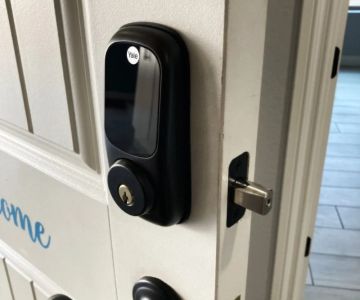
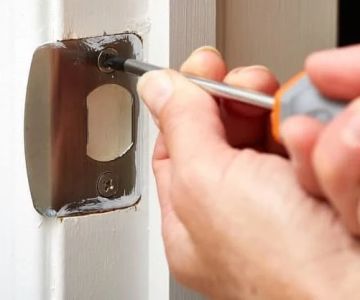
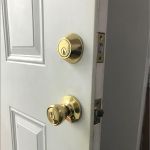
Install high-quality deadbolt locks on all external doors and consider reinforcing door frames with metal strike plates. Windows should have secure locks, and for ground-floor access, consider security bars or laminated glass. A Texas homeowner thwarted a burglary attempt when reinforced window locks prevented entry despite visible damage to the frame.
2.2 Secure Entry Points
Garage doors, basement entries, and side gates are often overlooked. Always lock these areas, and consider adding secondary locking mechanisms. Even simple changes like heavy-duty padlocks on side gates can make a home less attractive to opportunistic burglars.
3. Technology and Surveillance
Modern technology provides homeowners with new tools to enhance security. Integrating surveillance and smart devices into your home can greatly reduce the chances of burglary.
3.1 Smart Security Systems
Systems that combine alarms, cameras, and smartphone alerts allow real-time monitoring. Some systems can even differentiate between a family member returning home and a potential intruder. A New York family reported that their smart camera system alerted them to a suspicious individual before any damage occurred.
3.2 Video Doorbells and Motion Sensors
Video doorbells not only monitor visitors but can also record suspicious activity. Motion sensors trigger lights or alarms, deterring potential burglars. Integrating these devices with your home network and a monitoring service adds a layer of professional oversight.
3.3 Remote Monitoring and Control
Many smart devices allow homeowners to control lighting, locks, and cameras remotely. For travelers, this means you can simulate occupancy or respond immediately if suspicious activity is detected, enhancing both security and peace of mind.
4. Neighbor and Community Strategies
Security is not only about the home itself but also about community vigilance. Engaging neighbors and local networks can provide an additional safety net.
4.1 Trusted Neighbor Watch
Ask a neighbor to check in periodically. They can move cars, collect mail, or report any unusual activity. In some neighborhoods, simple communication channels like group chats have prevented multiple burglary attempts over the years.
4.2 Community Programs
Neighborhood watch programs, where residents collaborate and share information about suspicious activity, are highly effective. Participating in these programs ensures that multiple eyes are on your property, which can be particularly useful when away for extended periods.
5. Professional Services and Locksmiths
Sometimes the most effective protection comes from professionals who can assess vulnerabilities and install advanced security measures.
5.1 Expert Security Assessments
Security professionals can evaluate your home’s weak points and recommend solutions tailored to your property. They often identify issues that homeowners overlook, such as improperly aligned door frames or weak patio locks.
5.2 Locksmith Services
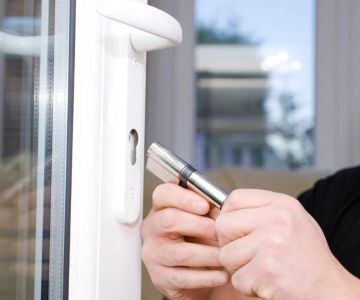
A professional locksmith can install high-security locks, reinforce doors, and provide emergency services if needed. Platforms like Locksmith Finder make it easy to locate trusted locksmiths, compare services, and ensure that your home is equipped with the best possible protection while you travel.
5.3 Combining Solutions for Maximum Safety
Combining physical reinforcements, technology, community vigilance, and professional locksmith services creates a comprehensive security strategy. Real cases show that homes with multiple layers of protection are far less likely to be targeted by burglars.

 Minute Key0.0 (0 reviews)
 Minute Key4.0 (7 reviews)
 KeyMe Locksmiths4.0 (44 reviews)
 KeyMe Locksmiths4.0 (124 reviews)
 Minute Key4.0 (10 reviews)
 Laredo Lock Inc.4.0 (63 reviews)
 Locksmith Tips for Choosing the Right Lock for Each Door Type
 How to Protect Your Home From Burglary While Traveling
 How to Protect Your Garage From Forced Entry: Effective Tips and Solutions
 How to Secure Your Windows Against Forced Entry
 How to Protect Your Business With Master Key Systems: A Comprehensive Guide
 How to Safely Remove Broken Keys From Interior and Exterior Locks