
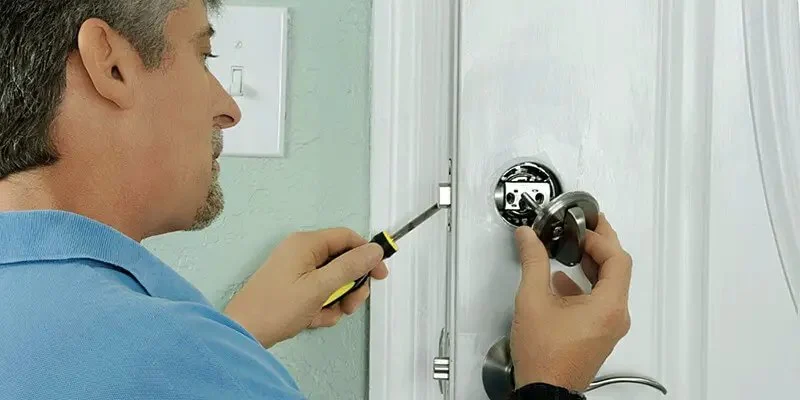
1. Understanding Lock Spoofing and Its Risks
Lock spoofing is a sophisticated method used by burglars to bypass traditional locks and gain unauthorized access to homes. Unlike traditional lock picking or bumping, lock spoofing involves creating a false key impression that mimics the original key, allowing the criminal to unlock doors without detection. This security vulnerability has been gaining attention as it can go unnoticed by homeowners, making it a serious threat to residential security.
In this article, we’ll discuss the risks of lock spoofing, how it works, and most importantly, how to protect your home from this type of break-in with expert locksmith tips.

2. Why Lock Spoofing Is Dangerous
Lock spoofing is a growing concern in home security because it allows criminals to access homes without leaving behind obvious signs of forced entry. Below are the main reasons why lock spoofing is particularly dangerous:

2.1 Hard to Detect
One of the biggest challenges with lock spoofing is that it is incredibly hard to detect. Unlike traditional burglary methods that involve physical damage to locks or doors, lock spoofing leaves no visible traces. This means that even if a homeowner checks their lock after an attempted break-in, they may not notice any tampering, leaving them unaware that their home is vulnerable to further attacks.
2.2 Access Without Damaging the Lock
Unlike lock bumping or picking, which may cause damage to the lock or door frame, lock spoofing allows intruders to unlock the door without leaving any physical damage. This makes the technique particularly attractive to burglars who want to avoid drawing attention to their activities and who prefer quiet, non-destructive methods of entry.
2.3 Vulnerability of Traditional Locks
Traditional pin-tumbler locks, commonly found in most homes, are particularly vulnerable to lock spoofing. Since these locks rely on a set of pins and a corresponding key to function, a skilled intruder can easily create a fake key impression to bypass the lock’s mechanism. This makes homes with outdated or standard locks prime targets for lock spoofing attacks.
3. Locksmith Tips to Prevent Lock Spoofing
Now that we understand the risks of lock spoofing, let’s look at how to protect your home from this advanced security threat. These locksmith tips will help you secure your locks and prevent spoofing attempts:
3.1 Upgrade to High-Security Locks
High-security locks are designed with advanced mechanisms that make them resistant to spoofing, picking, and bumping. These locks feature complex pin systems, unique keyways, and anti-sabotage technologies that make it much more difficult for criminals to create false key impressions. Investing in a high-security lock is one of the most effective ways to protect your home from lock spoofing.
3.2 Install Smart Locks
Smart locks are another excellent solution for preventing lock spoofing. These locks use digital technology to secure your home, eliminating the need for traditional keys. With smart locks, you can use features like keypads, biometrics (fingerprint scanners), or smartphone apps to unlock your doors, making it impossible for criminals to spoof keys. Additionally, many smart locks offer remote access and monitoring, providing an extra layer of security for your home.
3.3 Reinforce Your Doors and Frames
While upgrading your locks is important, reinforcing your doors and frames is equally essential. Even the most advanced lock can be bypassed if the door frame or door itself is weak. Consider installing a solid core door and reinforcing it with a strong strike plate. A reinforced door is harder to force open, providing additional protection against lock spoofing and other break-in methods.
3.4 Rekey Your Locks Regularly
If you live in an older home with traditional locks, consider rekeying your locks. Rekeying involves changing the internal pins of the lock so that the old key no longer works. This process makes it more difficult for someone to create an accurate key impression, even if they have access to your lock. Regularly rekeying your locks ensures that no one has unauthorized access to your home.
3.5 Install Additional Security Measures
In addition to upgrading your locks, consider installing other security measures such as deadbolts, sliding bolts, and security cameras. These devices add multiple layers of protection, making it harder for criminals to enter your home, even if they manage to bypass your locks. Additionally, motion-sensor lights and alarms can deter burglars from attempting to break in in the first place.
4. Case Study: Preventing Lock Spoofing with Effective Security Measures
Let’s consider the story of David, a homeowner who recently experienced a break-in attempt due to lock spoofing. A burglar used a lock spoofing technique to bypass the pin tumbler lock on David’s front door. Fortunately, David had recently upgraded to a high-security lock system, which included bump-resistant features. The criminal was unable to spoof the lock, and the break-in attempt was thwarted.
After this incident, David reinforced his doors, installed a smart lock, and added additional security devices around his home. These proactive measures ensured that his home remained secure, and he no longer had to worry about lock spoofing or other break-in methods.
5. Why Choose Locksmith Finder for Your Security Needs?
If you’re looking to protect your home from lock spoofing or any other security threats, visit Locksmith Finder. We offer expert advice, high-security locks, and professional locksmith services to help you enhance the security of your home. Our network of trusted locksmiths can assist with lock installations, rekeying, and even smart lock systems to provide comprehensive protection against modern burglary techniques like lock spoofing.
6. Final Thoughts
Lock spoofing is a serious threat to home security, but with the right precautions, you can protect your home from this silent and efficient burglary technique. Upgrading to high-security locks, installing smart locks, and reinforcing doors are essential steps in safeguarding your home. By taking these proactive measures, you can minimize the risk of lock spoofing and ensure that your home remains secure for years to come.

 Minute Key2.0 (2 reviews)
 KeyMe Locksmiths4.0 (23 reviews)
 KeyMe Locksmiths4.0 (89 reviews)
 KeyMe Locksmiths4.0 (24 reviews)
 KeyMe Locksmiths4.0 (3 reviews)
 Minute Key4.0 (14 reviews)
 How to Secure Your Sliding Patio Doors Effectively
 How to Upgrade Your Business Security Without Major Renovations
 How to Protect Your Business From Employee Misuse of Keys
 The Risks of Using Cheap Locksmith Services: Why You Should Be Cautious
 How to Prevent Unauthorized Access to Your Business
 How to Protect Your Business Assets with Locksmith Security Solutions