
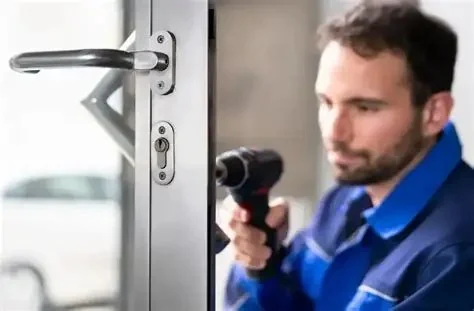
- 1. Why Choosing a Reliable Locksmith Is Important
- 2. Key Qualities of a Reliable and Licensed Locksmith
- 3. How to Identify a Licensed Locksmith
- 4. Red Flags to Watch Out For
- 5. Common Scams and How to Avoid Them
- 6. How to Choose the Right Locksmith for Your Needs
1. Why Choosing a Reliable Locksmith Is Important
A locksmith is often someone you call in an emergency, whether you've locked yourself out of your car, home, or need to secure your property after a break-in. Given the importance of their role, selecting a reliable and licensed locksmith is essential to ensure both your safety and the quality of the service provided.
Choosing the wrong locksmith can lead to subpar work, damage to your property, or, in the worst-case scenario, a security breach. For instance, an unlicensed locksmith might not follow proper industry standards, potentially leaving your home or vehicle vulnerable to future break-ins. Therefore, knowing how to identify a trusted, licensed locksmith is vital for your peace of mind.

2. Key Qualities of a Reliable and Licensed Locksmith
A good locksmith is not just about skills with locks and keys; it's about reliability, professionalism, and a clear commitment to customer satisfaction. Here are the key qualities to look for when hiring a locksmith:
- Experience and Expertise: A licensed locksmith should have several years of experience and be skilled in dealing with various types of locks, including modern smart locks, traditional mechanical locks, and high-security systems.
- Proper Licensing: A reliable locksmith should be licensed and insured to work in your state or region. Licensing ensures that the locksmith has passed necessary background checks and has been trained to meet industry standards.
- Transparent Pricing: A trustworthy locksmith will always provide an upfront price before beginning the work. Avoid locksmiths who give vague or fluctuating quotes.
- 24/7 Availability: Emergencies don't happen during business hours, so a reliable locksmith should be available 24/7 for urgent situations, such as lockouts or security breaches.
3. How to Identify a Licensed Locksmith
One of the most important steps when choosing a locksmith is ensuring they are properly licensed. Here are some ways to confirm if a locksmith is licensed:
- Check Online Databases: Many states maintain an online database where you can check if a locksmith is licensed. This is an easy way to verify the credentials of a locksmith before hiring them.
- Ask for Proof of License: A professional locksmith should be able to show proof of their license. Don’t hesitate to ask for it during the initial consultation or over the phone.
- Confirm Insurance Coverage: In addition to licensing, a legitimate locksmith should carry liability insurance. This protects both the locksmith and the customer in case of accidents or damage during the job.
4. Red Flags to Watch Out For
While most locksmiths are trustworthy, there are a few warning signs that indicate you may be dealing with an unreliable or unlicensed locksmith:
- Unclear or Changing Pricing: Be wary of locksmiths who don’t provide clear and upfront pricing or give you a low quote over the phone, only to charge you more once the job is done.
- Lack of Professionalism: Unprofessional behavior, such as poor communication, not showing up on time, or lack of identification, can be a sign that the locksmith is not reliable.
- No Physical Address: If a locksmith claims to be from a reputable company but has no physical address or is unable to provide a company name, this could indicate a scam operation.
5. Common Scams and How to Avoid Them
Unfortunately, there are some locksmith scams that prey on people in vulnerable situations. These scams can lead to inflated charges, poor service, or even worse, security breaches. Here are a few common locksmith scams to be aware of:
- “$15 Locksmith” Scam: Some locksmiths advertise very low rates, such as "$15 to open any lock," but when they arrive, the cost is much higher due to hidden fees. Always ask for a written estimate before allowing any work to begin.
- “Bait and Switch” Tactics: A scammer may offer a low price over the phone, but once they arrive at your location, they claim additional parts or labor are required, resulting in a much higher price.
- Unlicensed “Locksmiths”: Some unscrupulous individuals may pose as locksmiths without proper licensing or training. Always verify their credentials to ensure they are a legitimate, licensed professional.
6. How to Choose the Right Locksmith for Your Needs
Choosing the right locksmith is essential for your safety and security. Here are some steps to follow when selecting the right professional for the job:
- Assess Your Needs: Determine whether you need a locksmith for an emergency, such as a lockout, or for a larger project, like installing new locks or upgrading your security system. Different locksmiths specialize in different areas, so make sure to choose one with the right expertise.
- Get Recommendations: Ask for recommendations from friends, family, or online reviews. Word-of-mouth and positive online feedback can help you find a reliable locksmith.
- Verify Credentials: Always confirm that the locksmith you are hiring is licensed and insured. Take the time to do research to ensure they meet the necessary qualifications and have a good reputation.
If you need help finding a reliable locksmith near you, be sure to visit Locksmith Finder, where you can access trusted professionals who meet the highest standards for safety and service.

 Minute Key2.0 (2 reviews)
 KeyMe Locksmiths4.0 (23 reviews)
 KeyMe Locksmiths4.0 (89 reviews)
 KeyMe Locksmiths4.0 (24 reviews)
 KeyMe Locksmiths4.0 (3 reviews)
 Minute Key4.0 (14 reviews)
 How to Secure Your Sliding Patio Doors Effectively
 How to Upgrade Your Business Security Without Major Renovations
 How to Protect Your Business From Employee Misuse of Keys
 The Risks of Using Cheap Locksmith Services: Why You Should Be Cautious
 How to Prevent Unauthorized Access to Your Business
 How to Protect Your Business Assets with Locksmith Security Solutions