
Key Turns but Door Won’t Open? Diagnose the Lock Safely
On this page
Quick answer
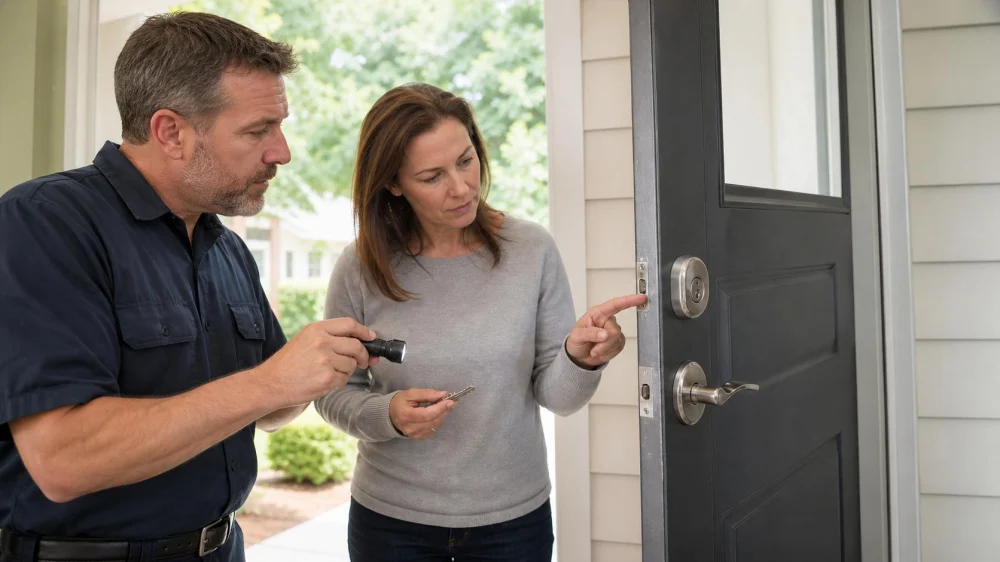
If the key turns but the door stays shut, stop forcing it. While you have authorized access, note whether the bolt or latch works smoothly with the door open but binds when closed. Open-only success usually points to door, hinge, weatherstrip, strike, or bolt-pocket alignment. Failure in both positions can involve the cylinder, spindle, tailpiece, latch, deadbolt, or internal lock mechanism and should be assessed by a locksmith.
The cylinder reads the key; the latch or deadbolt is the moving part that engages the frame; the strike is the metal plate and opening that receive it. A key can rotate even when another part is disconnected, broken, or blocked.
Separate the lock from the door system
- Key and cylinder: If the key inserts poorly, sticks, or turns far beyond its normal stop, the cylinder or key may be worn or damaged.
- Interior turnpiece or lever: Compare its normal range of motion without disassembling the lock.
- Latch bolt: The spring-loaded beveled bolt should retract when the handle operates.
- Deadbolt: The solid bolt should extend and retract fully without needing to push, pull, or lift the door.
- Strike and frame pocket: The opening must align with the moving bolt and be deep and clear enough for full travel.
- Door and hinges: Sagging, swelling, loose screws, settlement, and weatherstripping can place side pressure on the bolt.
Tests that do not bypass the lock
- Confirm authorization. Work only on a door you own or are expressly permitted to service.
- Use a spare original key. A bent or badly copied key can create misleading symptoms. Do not force it.
- Test with the door open. If you are already safely inside and can open the door, operate the lock slowly and observe whether the latch or bolt moves fully.
- Compare with the door closed. Do not apply body force. Note whether gentle pushing, pulling, or lifting changes resistance; this suggests alignment load.
- Inspect visible contact marks. Scrapes on the bolt or strike may show where they meet. Do not file security hardware before identifying why alignment changed.
- Check conditions. Record whether the problem appears only during humid weather, cold weather, after painting, or after hinge or lock work.
Manufacturer troubleshooting commonly recommends comparing open-door and closed-door operation. If a lock works open but jams closed, alignment, weatherstripping, strike position, pocket depth, or overtightened mounting can be involved.

What common symptom patterns may mean
Key turns normally, but the bolt does not move: A tailpiece, cam, spindle, clutch, or internal connection may have failed.
Bolt moves open but binds closed: The door or strike is likely loading the mechanism. Fix the cause rather than making the key overcome friction.
Handle moves but latch stays extended: The latch or spindle connection may be broken. Keep the door open if safe until repaired so it does not trap someone.
Deadbolt retracts but door remains held: A separate latch, multipoint bolt, auxiliary lock, warped door, or pressure from the frame may still hold it.
Smart lock motor sounds strained: Test manual operation according to the manufacturer. Door binding can drain batteries and damage the drive; electronics are not always the root cause.
When professional help is the safest choice
- The only entrance is stuck or a person, child, pet, or essential medicine is inaccessible.
- The door is a fire-rated opening, exit door, apartment common door, or commercial access-control opening.
- The key may break, the cylinder spins, or hardware feels detached.
- There are signs of forced entry, tampering, or frame damage.
- The lock is multipoint, electrified, high-security, or connected to an alarm.
- Alignment changed suddenly, suggesting hinge, frame, or structural movement.
For an emergency locksmith, verify the business name, service address, technician identification, scope, total price or pricing method, and authorization before drilling or replacement. Ask whether nondestructive diagnosis is possible, but understand that damaged or failed hardware may require replacement.
Security and life-safety notes
Do not disable an exit device, fire-door closer, latch, or required security feature to make the symptom disappear. Fire and egress rules vary by occupancy and jurisdiction. A qualified locksmith or door professional should preserve the opening's listing and function.
If the door protects evidence after a suspected break-in, avoid cleaning or altering the lock and contact law enforcement or the property manager. If anyone faces immediate danger or cannot exit during a fire or medical emergency, call 911.
Evidence note: Current manufacturer support guidance identifies smooth open-door operation paired with closed-door binding as an alignment clue and lists strike alignment, pocket depth, weatherstripping, and mounting tension among possible causes. Product-specific instructions still control; this guide does not authorize entry or provide bypass methods.
Frequently asked questions
Should I spray lubricant into the keyway?
Not automatically. Use only a product and method approved by the lock manufacturer. Lubricant will not repair a broken internal connection or misaligned door.
Why does lifting the handle make the key work?
It can temporarily relieve or change alignment load, especially on multipoint hardware, but needing that movement may indicate adjustment, wear, or installation problems.
Can I enlarge the strike opening myself?
First determine why contact began. Altering a strike can weaken security, affect a fire-rated opening, or hide hinge and frame problems. Use a qualified professional when uncertain.
Does a spinning cylinder mean the lock is unlocked?
No. Stop turning it. A retaining part or internal connection may have failed, and continued use can worsen damage.
Next steps
Record a short video of authorized open-door and closed-door operation, photograph contact marks, and note weather or recent work. Give those observations and the lock brand/model to a vetted locksmith so the visit starts with diagnosis rather than an assumed replacement.
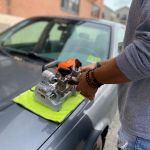 KeyMe Locksmiths4.0 (131 reviews)
 Minute Key3.0 (6 reviews)
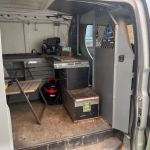 VIP Lock & Key4.0 (20 reviews)
 Minute Key1.0 (1 reviews)
 Minute Key0.0 (0 reviews)
 Minute Key3.0 (3 reviews)
 How to Upgrade Your Home Security With Minimal Cost and Effort
 Locksmith Advice: How to Maintain Locks to Prevent Wear and Tear
 How to Secure Your Sliding Patio Doors Effectively
 Locksmith Advice: How to Avoid Lock Scams and Fraud
 Can a Locksmith Unlock Digital Door Locks Near Me Quickly | Expert Solutions
 How to Secure Your Front and Back Doors With Smart Lock Technology