
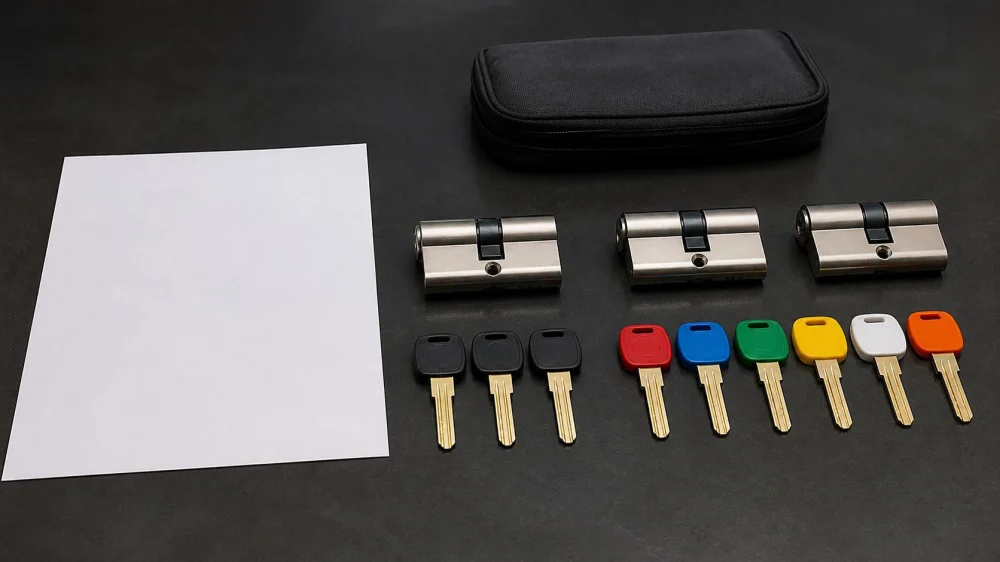
Keyed Alike vs Keyed Different: Plan Access Before Ordering
On this page
Quick answer
Keyed-alike locks open with the same key; keyed-different locks each use a different key. Keyed alike reduces the number of keys but increases the impact if one key is lost. Keyed different limits access by door but adds key-management work. Before ordering, map users, doors, emergency access, ownership, fire-egress needs, and future rekey plans with a qualified locksmith.
This guide helps authorized US property owners and managers plan legitimate access. It does not provide bypass or unauthorized-entry instructions.

What the terms mean
Keyed alike means two or more compatible cylinders are configured for one operating key. Keyed different means each cylinder has its own key. These terms describe key relationships, not lock quality, door strength, or resistance to attack.
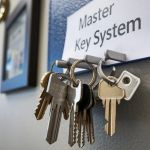
A master key system is different: individual keys may open selected doors while a higher-level key opens multiple cylinders. It requires careful design, records, compatible hardware, and strict control. Do not assume that keyed-alike hardware can later become a secure master system.

Compare the tradeoffs
Keyed alike is best for a small set of doors used by the same authorized people, where convenience and fast emergency access outweigh compartmentalization. One key can simplify a detached garage, gate, and storage area when every user is allowed everywhere.
Keyed alike is not ideal for spaces with different tenants, employees, cleaners, vendors, or valuables. A lost or unreturned key may require changing every related cylinder. It can also make it harder to know why a person has access.
Keyed different is best for separating roles and limiting the consequences of a lost key. A garden contractor can receive gate access without receiving a house key. A locked records room can remain separate from a general office.
Keyed different is not ideal for users who must carry and identify many similar keys under pressure. Poor labeling or an oversized key ring can create delays and encourage unsafe hiding of spare keys.
Build an access map
- List every opening. Include exterior doors, gates, garages, sheds, cabinets, and shared areas.
- Name owners and decision-makers. Verify who may authorize changes, especially in rentals, businesses, and associations.
- List user groups. Household members, tenants, staff, cleaners, contractors, and emergency contacts may need different access.
- Mark required access. Give each role only the doors necessary for its work.
- Check egress. Interior operation must meet applicable life-safety and accessibility rules; key planning must never trap occupants.
- Plan lost-key response. Decide which cylinders would need rekeying after each key type is compromised.
- Plan growth. Add likely future doors, users, tenant turnover, and hardware changes.
Use neutral identifiers such as Door A and Key Group 1 on working documents. Do not attach the property address to a loose key tag.
Questions before ordering
- Are all cylinders compatible with the selected keyway and hardware?
- Can existing locks be rekeyed, or is replacement more practical?
- Is the keyway restricted, patented, or freely duplicated, and what authorization is required?
- How many originals and controlled spares are needed?
- How will each key and cylinder be identified without exposing the address?
- What happens when one key is lost or a user leaves?
- Does the door, frame, latch, closer, and strike work correctly before cylinder changes?
- Which building, fire, rental, insurance, or association requirements apply?
Ask the locksmith for a written schedule that shows the authorized relationship without publishing sensitive bitting or duplication information. Verify every finished lock from both sides and keep emergency exit operation unchanged.
Limits and security notes
Convenience should not erase meaningful boundaries. Bedrooms in shared housing, maintenance rooms, medication storage, records, and tenant units can have privacy or legal requirements. Obtain consent and authorization before standardizing keys.
Never mark keys with a full address, alarm code, or occupant name. Keep the access map secure and separate from spare keys. Count issued copies and record the recipient, date, key group, and return status.
A key system cannot compensate for a weak door, split frame, exposed hinge problem, damaged latch, or poor lighting. Ask for a whole-opening assessment when security is the goal.
FAQ
Can any two locks be keyed alike?
No. Cylinders need compatible keyways and sufficient configuration options. A locksmith must assess the exact hardware.
Does keyed alike mean one key opens every lock made by that brand?
No. It means the selected locks are intentionally configured to the same key, not that all brand locks share it.
Is a master key the same as one key for all doors?
No. A master system can preserve separate user keys while allowing an authorized higher-level key to open multiple doors.
Should a rental house use one key for every door?
It depends on ownership, tenant privacy, local law, access roles, and emergency needs. Get authorization and professional advice.
What if one keyed-alike key is lost?
Treat every lock in that key group as potentially affected. Review where it was lost and arrange rekeying or replacement based on risk.
Next steps
Create a door-by-user access table, mark egress and ownership constraints, and compare the consequence of one lost key. Give the map to an authorized locksmith, confirm compatible hardware, then record each issued key and test every opening.
Evidence note: This article reflects general key-management and life-safety principles. Local code, property rights, and the locksmith's hardware assessment control the final design.


 All Secured Security Services4.0 (201 reviews)
 KeyMe Locksmiths4.0 (127 reviews)
 KeyMe Locksmiths4.0 (5 reviews)
 KeyMe Locksmiths4.0 (80 reviews)
 Broken Key Removal canton1.0 (1 reviews)
 KeyMe Locksmiths4.0 (13 reviews)
 How to Secure Front, Back, and Side Doors With Deadbolts
 The Importance of Upgrading Old Locks to Modern Security Standards
 Understanding the Different Types of Locks and Their Uses
 How to Upgrade Your Business Security Without High Costs
 The Benefits of Master Key Systems for Business Security
 How To Choose the Right Locksmith for Your Home Security Needs