
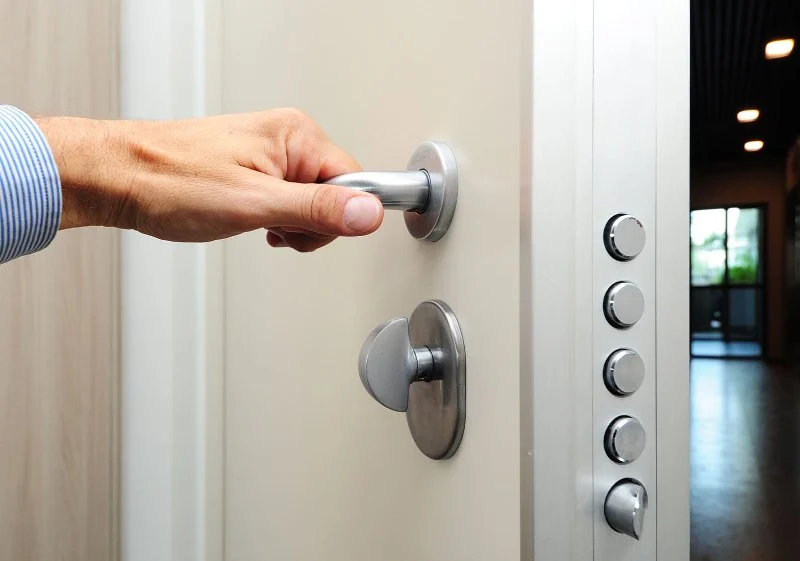
Why Old Locks No Longer Meet Today’s Security Needs
Many homes and businesses across the United States still rely on locks installed decades ago. While these locks may appear solid, security threats have changed dramatically. The importance of upgrading old locks to modern security standards becomes clear when you consider how quickly tools, techniques, and criminal knowledge evolve.
Older locks were designed for a different era, one where basic mechanical resistance was often enough. Today, burglars can access information online, purchase specialized tools easily, and exploit weaknesses that were unknown years ago. A lock that once felt dependable may now be a liability without the owner realizing it.

How Modern Security Standards Have Changed Over Time
Security standards are not static. They are shaped by real-world incidents, insurance data, and technological advancements. Modern lock designs focus on resistance to picking, drilling, bumping, and forced entry, areas where older models often fall short.
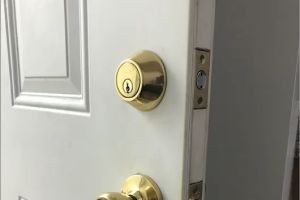
1. Advances in Lock Engineering
Modern locks use reinforced materials, precision-engineered components, and tighter tolerances. These features make unauthorized manipulation far more difficult. Some newer systems also integrate electronic or smart components that add layers of protection beyond traditional keys.
2. Alignment With Insurance and Safety Expectations
Insurance providers increasingly consider lock quality when evaluating coverage and claims. Properties with outdated locks may face higher premiums or denied claims after a break-in. Upgrading old locks to modern security standards helps align your property with current expectations for risk reduction.
The Hidden Risks of Keeping Outdated Lock Systems
One of the biggest dangers of old locks is the false sense of security they provide. A lock that turns smoothly does not necessarily offer real protection. Wear, internal damage, and outdated designs often go unnoticed until a failure occurs.
1. Wear, Tear, and Compromised Integrity
Over time, internal pins and springs weaken. Keys may be copied repeatedly without the owner’s knowledge. In some cases, previous tenants or contractors may still have access. These risks compound when locks are not updated after major life or business changes.
2. Increased Vulnerability to Modern Break-In Techniques
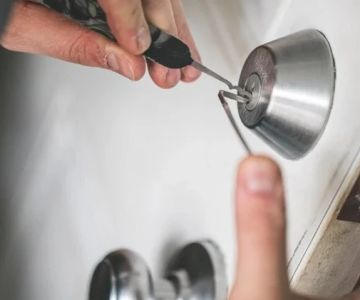
Many older locks are especially vulnerable to methods that are now widely known. Criminals target properties where locks appear dated because they require less effort and carry lower risk. Upgrading removes these easy opportunities and shifts the balance back in favor of the property owner.
Real-World Cases Where Lock Upgrades Changed Outcomes
A frequently shared news story involved a small business owner whose storefront was broken into twice within one year. After the second incident, a security assessment revealed that the locks were over 25 years old. Once upgraded to modern standards, attempted break-ins stopped, even though nearby businesses continued to experience theft.
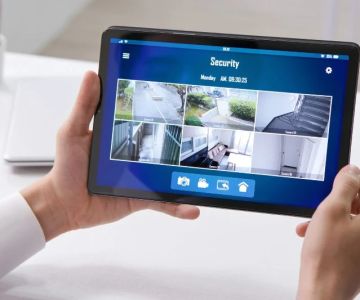
In residential settings, homeowners often share similar experiences online. One family reported upgrading their locks after a neighbor’s burglary. Months later, surveillance footage showed an attempted entry that failed when the intruder could not bypass the upgraded hardware. These real cases highlight how proactive upgrades directly impact safety.
Choosing the Right Upgrade for Homes and Businesses
Not every property requires the same solution. Homes, apartments, offices, and retail spaces all have different access patterns and risk levels. The key is selecting upgrades that match how the space is actually used.
This is where guidance matters. Using a trusted resource like Locksmith Finder helps property owners identify suitable lock options, qualified professionals, and services that align with current security standards. Informed decisions prevent overspending while ensuring meaningful protection.
Building Long-Term Security Through Smart Upgrades
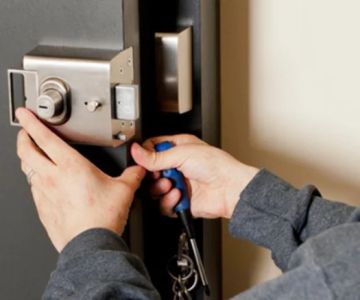
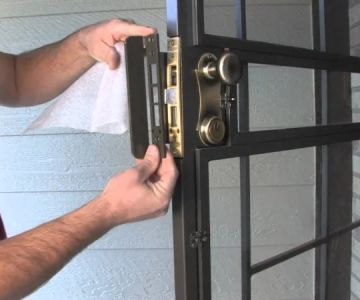
The importance of upgrading old locks to modern security standards goes beyond preventing break-ins. It supports peace of mind, protects property value, and simplifies access control over time. Modern systems are easier to maintain, rekey, or adapt as needs change.
Rather than waiting for a problem to occur, proactive upgrades reflect responsible ownership. Security is not a one-time decision but an ongoing process. Updating locks is one of the most practical steps toward long-term reliability and confidence in any property.
 KeyMe Locksmiths4.0 (110 reviews)
 Minute Key3.0 (7 reviews)
 Minute Key0.0 (0 reviews)
 Autodiagnerdz4.0 (51 reviews)
 KeyMe Locksmiths4.0 (5 reviews)
 Pro Locksmith4.0 (13 reviews)
 How to Secure Outdoor Storage Sheds and Gates: Best Practices for Safety and Protection
 How to Choose the Right Safe for Your Valuables | Expert Tips for Security
 The Risks of Using Cheap Locksmith Services: Why You Should Be Cautious
 How to Protect Your Office During Off-Hours with Effective Locks and Alarms
 Locksmith Advice: How to Identify a Reliable and Licensed Locksmith
 How to Protect Your Car With Anti-Theft Locking Devices: Best Options for Car Security