
- 1. Understanding the Impact of Extreme Weather on Locks
- 2. Key Factors That Affect Lock Performance in Harsh Weather
- 3. Effective Lock Maintenance Tips for Extreme Weather
- 4. Selecting the Right Locks for Weather Resistance
- 5. Conclusion: Keeping Your Locks Reliable All Year Round
1. Understanding the Impact of Extreme Weather on Locks
Extreme weather conditions, such as freezing temperatures, high humidity, or intense heat, can have a significant impact on the performance and longevity of locks. If you live in an area with harsh weather, it’s essential to understand how different weather conditions can affect your locks and what you can do to protect them. Whether it's the freezing cold of winter or the blistering heat of summer, weather conditions can cause wear and tear on your locks, leading to potential failures when you need them most.

2. Key Factors That Affect Lock Performance in Harsh Weather
Locks are typically designed to withstand everyday use, but extreme weather can put additional strain on them. Here are some key factors that can affect lock performance:
2.1 Cold Weather and Freezing Temperatures
Cold weather is one of the most common culprits for lock failure. Freezing temperatures can cause moisture inside the lock to freeze, making it difficult or impossible to turn the key. In addition, metal components can contract in the cold, causing them to seize or become stiff, making the lock harder to operate.
2.2 Hot Weather and Heat Exposure
Excessive heat can also take a toll on your locks. High temperatures can cause metal components to expand, potentially leading to misalignment and difficulty with key insertion or turning. In some cases, heat can even cause the lubricant inside the lock to break down, leading to a lack of smooth operation.
2.3 Humidity and Rust
Humidity and moisture can lead to rust and corrosion, especially on locks that are not properly protected. Over time, rust can build up inside the lock mechanism, making it harder to operate and shortening the lock's lifespan. This is especially common in areas with high humidity or frequent rain.
3. Effective Lock Maintenance Tips for Extreme Weather
Maintaining your locks regularly is the best way to ensure they remain functional in extreme weather conditions. Here are some expert locksmith tips for keeping your locks reliable:
3.1 Lubricate Your Locks Regularly
Proper lubrication is key to keeping your locks working smoothly, especially in harsh weather. Use a graphite-based lubricant or a lock-specific lubricant to keep the internal components running smoothly. Avoid using oil-based lubricants, as they can attract dirt and grime, which can cause the lock to seize up over time.
3.2 Clean Your Locks to Prevent Dirt and Moisture Build-Up
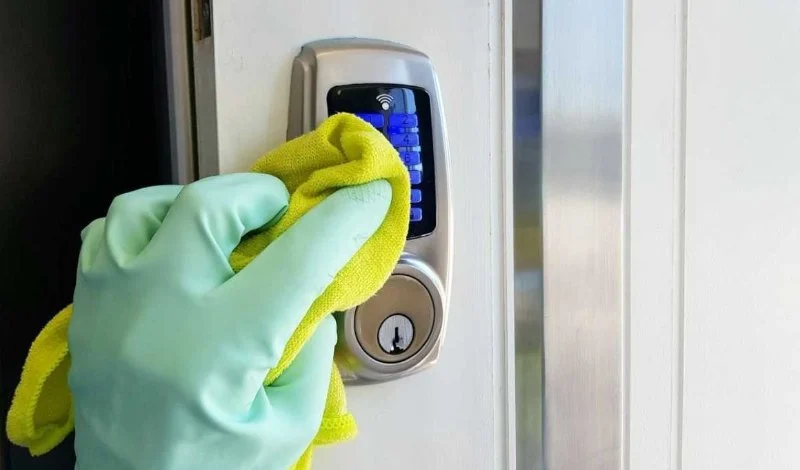
Regularly cleaning your locks can prevent dirt, debris, and moisture from accumulating inside the mechanism. Use a soft cloth to wipe down the exterior of the lock, and if necessary, use compressed air to remove any dust or dirt from the keyhole and internal components.
3.3 Protect Locks from Freezing in Winter
In freezing temperatures, consider using a lock de-icer or a weatherproof lock cover to protect the lock from moisture and prevent freezing. You can also apply a thin layer of petroleum jelly to the keyhole to help prevent it from freezing. Make sure the lock is dry before applying any products to avoid trapping moisture inside.
3.4 Regularly Inspect Locks for Wear and Tear
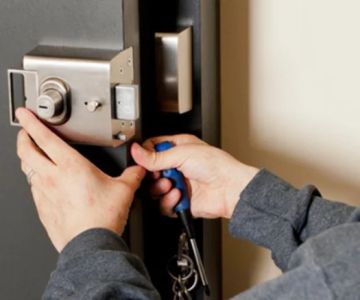
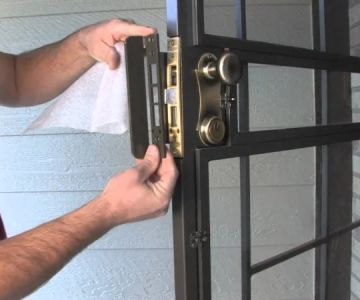
Even with regular maintenance, locks can still experience wear and tear over time. Inspect your locks for signs of damage, rust, or misalignment. If you notice any issues, have your locks repaired or replaced to prevent further problems, especially before the weather turns extreme.
4. Selecting the Right Locks for Weather Resistance
Choosing the right type of lock is essential for ensuring long-term durability in extreme weather conditions. Not all locks are created equal, so it’s important to select one that is designed to withstand the specific climate in which you live.
4.1 Weatherproof Locks
Investing in weatherproof locks is one of the best ways to protect your home from the effects of extreme weather. These locks are specially designed to resist moisture, corrosion, and other environmental factors. Look for locks that are labeled as weather-resistant, or choose models made from stainless steel or brass, which are less prone to rust and corrosion.
4.2 Electronic and Smart Locks
Electronic and smart locks offer added security and convenience, but they can also withstand extreme weather conditions. Many modern electronic locks are designed with weather-resistant components that prevent damage from cold or heat. Make sure to choose models that are specifically rated for outdoor use if you plan to install them on exterior doors or gates.
4.3 High-Security Padlocks
If you need extra security for gates, sheds, or other areas prone to weather exposure, high-security padlocks are a great option. Many high-security padlocks are designed with weatherproof coatings and durable materials to prevent damage from extreme conditions.
5. Conclusion: Keeping Your Locks Reliable All Year Round
Maintaining the reliability of your locks in extreme weather conditions requires regular care and attention. By understanding the impact of harsh weather on your locks and taking proactive measures to protect and maintain them, you can ensure they continue to function properly all year round. Whether it’s lubricating your locks, protecting them from rust, or choosing weather-resistant models, following these tips will help keep your locks in top condition. For expert advice and quality products to protect your home, visit Locksmith Finder for the best locksmith services and products.


 Dixie Locksmith3.0 (23 reviews)
 Minute Key4.0 (16 reviews)
 KeyMe Locksmiths4.0 (16 reviews)
 EZ LOCKSMITH4.0 (486 reviews)
 KeyMe Locksmiths4.0 (153 reviews)
 Minute Key5.0 (1 reviews)
 How to Protect Your Car From Being Broken Into
 How to Choose the Right Safe for Your Valuables
 How to Choose the Right Locksmith for High-Security Lock Installation
 The Benefits of Installing a Smart Lock in Your Home
 How to Protect Your Home From Burglary During Holidays
 How to Secure Your Front and Back Doors With Deadbolts: A Comprehensive Guide