
Key Broke in the Lock? Safe Steps Before a Locksmith Arrives
On this page
- Quick answer
- Stop turning and protect the lock
- Check safety and lawful access
- Document what happened
- Assess whether the fragment is visible
- Avoid damaging extraction attempts
- Call the right professional
- Verify the locksmith
- Describe the job for a useful quote
- What to expect during service
- Decide whether to repair, rekey, or replace
- Replace the damaged key correctly
- Prevent another broken key
- Call-ahead checklist
- Frequently asked questions
- Next steps
Quick answer
If a key breaks in a lock, stop turning, pushing, or probing. Keep the remaining key piece, photograph the lock and door, confirm whether anyone or anything is in immediate danger, and use another authorized entrance if one is safely available. Do not add glue, drill the cylinder, force tools into the keyway, or spray a random product.
Call a verified locksmith and explain whether the fragment is visible, the key turned before breaking, the door is open or closed, the lock type if known, and whether the lock was already sticking. Be ready to prove authorization to enter or alter the property. Extraction may preserve the lock, but a worn key, damaged cylinder, misaligned door, frozen mechanism, or attempted force can require additional repair.
Stop turning and protect the lock
A broken fragment can move deeper when another key, screwdriver, pin, or improvised hook is inserted. Turning the outside face or handle can also shift internal components against the fragment.
Leave the lock in its current position. Ask other occupants not to use that keyway. If the door is open, prevent it from latching shut until a professional advises otherwise, while maintaining security and fire egress.
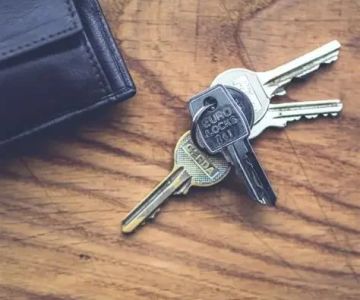
Keep the broken key bow and any loose pieces in a small container. The fracture surface can help show wear, bending, or a poor duplicate.
Do not repeatedly cycle an electronic lock or vehicle ignition. Mechanical resistance combined with powered operation can cause added damage.
Check safety and lawful access
If a child, dependent adult, pet, active stove, fire, medical emergency, or hazardous condition is inside, contact emergency services rather than waiting for routine lock service.
For a vehicle, do not remain in an unsafe traffic location. Move to a protected area if possible and use roadside or emergency assistance appropriate to the situation.
Check for another authorized entrance, building manager, family key holder, roadside service, or property representative. Do not climb, break glass, or enter through an unsafe route.
Renters, employees, guests, storage customers, and vehicle users should confirm who can authorize lock work. A locksmith may require identification and evidence connecting the customer to the property.
Document what happened
Photograph the full door or equipment, lock face, visible fragment, remaining key, and any prior damage. Do not place personal documents, address labels, or key cuts in a public post.
Write down whether the key was difficult to insert, hard to turn, bent, cracked, duplicated recently, exposed to cold, or used while the door was under pressure.
Note the key’s position when it broke: fully inserted, partly inserted, turning to lock, turning to unlock, or being withdrawn. This helps the technician prepare.
If someone attempted extraction, state which tools or products were used. Hidden glue, broken metal, or lubricant changes the safest service approach.
Assess whether the fragment is visible
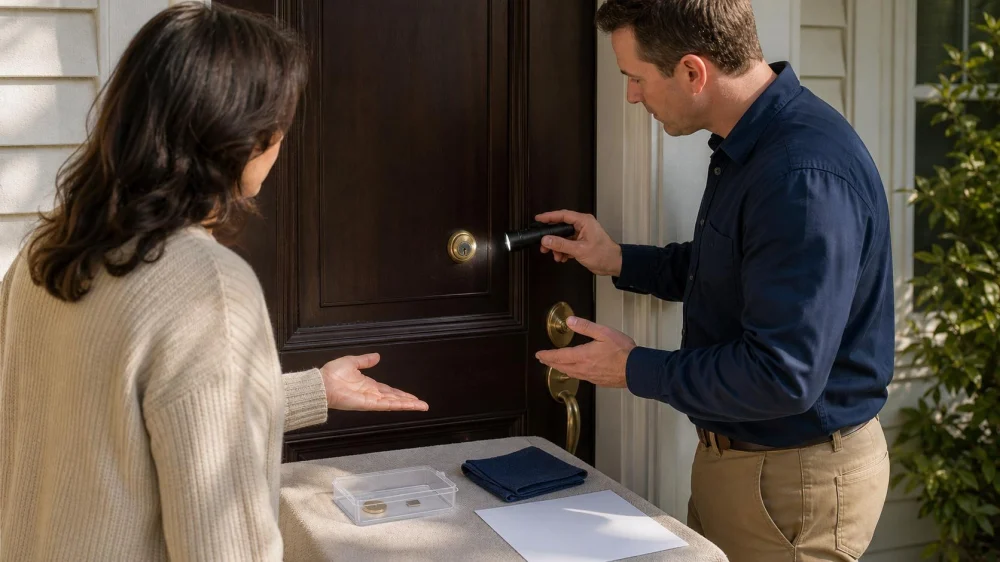
Look without touching. Tell the locksmith whether the fragment is flush with the face, protruding slightly, or not visible. Use a flashlight from outside the keyway, not a probe.
Do not pull a protruding piece with household pliers unless a locksmith specifically guides you for that exact lock and position. A poor grip can snap the fragment shorter or twist it.
Do not rotate the cylinder face to “line it up.” The correct removal position depends on the lock, and forcing it can trap the fragment.
If weather is severe, shield the area without filling or taping over the keyway. Avoid introducing water, ice melt, or debris.
Avoid damaging extraction attempts
Do not put superglue on the remaining key or another object. Glue can spread into pins, wafers, or electronic components and turn a simple extraction into replacement.
Do not use drill bits, screws, knives, saw blades, paper clips, tweezers, magnets, or internet “hacks.” These can damage the keyway, break inside it, cause injury, or resemble tampering.
Do not spray cooking oil, penetrating oil, graphite, silicone, or a general-purpose lubricant without confirming compatibility. Excess product collects debris and can harm some lock finishes and components.
Do not strike the lock, pry the door, or force the handle. If door pressure contributed, forcing can damage the latch, frame, hinges, and weatherstripping.
Call the right professional
For a residential or commercial door, call a locksmith experienced with that lock type. For a vehicle, use an automotive locksmith, roadside service, or dealership able to address the key and security system.
Safes, high-security cylinders, access-control hardware, motorcycles, mailboxes, and institutional locks may require specialized authorization and tools. Say what the lock protects when scheduling.
Property management or a facilities team may have an approved vendor and key-control process. Contact them before independent work where required.
Ask whether the technician can extract fragments, diagnose alignment, originate or duplicate a replacement key, program electronics, and provide repair options in one visit.
Verify the locksmith
Confirm the company name, local contact information, technician identity, licensing where required, insurance, arrival window, service-call fee, labor basis, and payment methods.
Ask how authorization will be verified. A professional should not object to checking identification or contacting an owner or manager.
Be cautious when a dispatcher refuses to name the company, promises an unrealistically low total, or sends an unmarked technician who immediately insists on drilling.
Do not share photos of identification, alarm codes, safe contents, or sensitive documents through an unverified channel.
Describe the job for a useful quote
Give the lock location, property type, door status, key type, visible-fragment position, time, and access conditions. Mention high-security markings without publishing key codes.
Explain whether the lock turned before the break and whether another key has the same problem. This may point to door alignment or cylinder wear rather than a single defective key.
Ask for a price range covering service call, extraction, opening if authorized, new key, rekeying, hardware, programming, after-hours charges, tax, and possible drilling.
A final price may require inspection. Ask the technician to explain and obtain approval before expanding the scope.
What to expect during service
The locksmith verifies authorization, protects nearby surfaces, examines the fragment and lock position, and chooses an extraction approach suited to the cylinder.
If the fragment comes out intact, the technician can inspect it and test the lock with an appropriate key. The goal is not merely removal; the cause should be checked.
The locksmith may inspect door alignment, latch pressure, cylinder wear, contamination, freezing, key duplication, and signs of attempted force.
If non-destructive service is not practical, the technician should explain why drilling or replacement is recommended, what part will be changed, and how access and security will be restored.
Decide whether to repair, rekey, or replace
Extraction alone may be enough when the lock operates smoothly and the key failed from isolated damage. A worn cylinder, broken component, corrosion, or incompatible contamination may justify repair or replacement.
Rekeying changes which key operates a compatible lock; it does not repair every mechanical problem. Replacement may be appropriate when hardware is damaged, obsolete, insecure, or no longer supported.
Door alignment should be corrected if the deadbolt or latch requires lifting, pushing, or pulling the door. A new cylinder cannot compensate for severe frame or hinge problems.
Request options with parts, labor, warranty, key quantity, and compatibility described before choosing.
Replace the damaged key correctly
Do not duplicate a visibly bent, cracked, or badly worn key as the only source. A copy can reproduce wear and inaccuracies.
Use an original specification, key code through an authorized source, or professional key origination where appropriate. Restricted and patented key systems require authorized blanks and documentation.
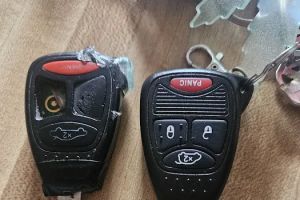
For modern vehicles, the metal blade, transponder, remote, proximity functions, emergency key, and programming may be separate parts of the job.
Test every new key gently in the lock before relying on it. Keep the best master or reference key secured rather than using it daily when the system allows.
Prevent another broken key
Retire keys that are bent, cracked, twisted, deeply worn, or difficult to insert. Heavy keychains can add stress, especially in vehicle ignitions.
Do not use a key as a package opener, scraper, pry tool, or handle. Turn the knob or lever to relieve latch pressure rather than using the key to pull a door.
Address sticking, binding, misalignment, and weather-related changes early. Repeated force is a warning, not normal operation.
Use only manufacturer- or locksmith-recommended cleaning and lubrication. Keep dirt, paint, tape adhesive, and construction debris away from keyways.
Call-ahead checklist
- Confirm no immediate life-safety emergency exists.
- Stop turning, probing, gluing, spraying, or drilling.
- Keep the remaining key and photograph the lock.
- Note door status and fragment visibility.
- Prepare proof of authorization.
- Describe prior sticking, weather, or attempted extraction.
- Verify company, technician, fees, and payment method.
- Ask for approval before destructive work.
- Have the cause checked after extraction.
Frequently asked questions
Can a locksmith remove a broken key without replacing the lock?
Often, but not always. Fragment position, lock condition, prior attempts, and the underlying cause determine whether the cylinder can be preserved.
Will a magnet pull out the key?
Many keys and lock parts do not respond usefully to a magnet, and inserting objects can push the fragment deeper. Leave extraction to a professional.
Why did the key break?
Possible causes include metal fatigue, a worn or poor duplicate, bending, cylinder wear, door pressure, contamination, corrosion, freezing, or excessive force.
Should I spray lubricant before the locksmith arrives?
No, unless the locksmith directs a specific compatible product. Unknown liquids or powders can complicate extraction and damage the lock.
Can a new key be copied from the broken pieces?
Sometimes the pieces help identify the key, but copying worn edges may reproduce problems. An authorized original, code, or professional origination may be better.
Next steps
Protect the lock from further attempts, secure the area, gather the key pieces and authorization, and call a verified specialist. Approve the scope after diagnosis, then correct the underlying key, lock, or door problem rather than stopping at fragment removal.
This guide provides general safety information and does not teach lock bypass. Property authorization, licensing, hardware, and emergency procedures vary by situation and location.

 KeyMe Locksmiths0.0 (0 reviews)
 Minute Key4.0 (16 reviews)
 Minute Key3.0 (7 reviews)
 Minute Key4.0 (7 reviews)
 Locksmiths Of Detroit5.0 (127 reviews)
 Lock Keypers Locksmith Services5.0 (15 reviews)
 How to Choose the Right Locksmith for High-Security Lock Installation
 Find a Cheap Locksmith Near Me in Omaha NE Today
 How to Protect Your Home from Lock Cracking: Locksmith Tips for Maximum Security
 How to Choose Between a Local Locksmith and a National Service
 How to Upgrade Your Front Door With High-Security Deadbolts
 How to Find a Licensed Locksmith Near Me in San Jose CA Quickly