
- understanding-high-security-locks-what-makes-them-different
- how-high-security-locks-protect-against-modern-break-in-methods
- real-life-situations-where-upgrading-locks-made-a-difference
- cost-vs-value-is-a-high-security-lock-worth-it
- choosing-installation-and-getting-professional-guidance
Understanding What a High-Security Lock Really Is
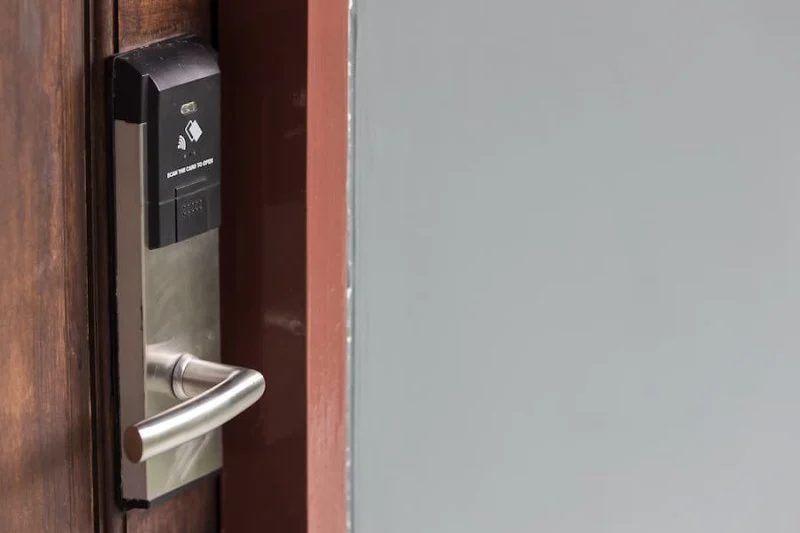
A high-security lock is not just a stronger version of a standard deadbolt. It is a purpose-built locking system designed to resist the most common forced entry methods used in residential and commercial break-ins. These include picking, bumping, drilling, and even unauthorized key duplication. Unlike traditional locks that rely on basic pin-and-tumbler mechanisms, a high-security lock uses reinforced internal components, restricted keyways, and often patented key control systems.
In everyday terms, think of it as the difference between a simple wooden door and a reinforced steel entry system. Both close a space, but only one is engineered to actively resist intrusion attempts under pressure.
How Advanced Lock Technology Changes Home Protection
Anti-Pick and Anti-Bump Engineering
One of the most important features of a modern high-security lock is its resistance to lock picking and bumping. Criminals often rely on quick, silent entry techniques, and older locks can be compromised in seconds. Anti-pick pins, false gates, and complex internal structures make manipulation extremely difficult.
Drill-Resistant Core Construction
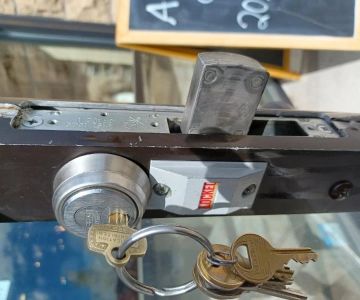
Another critical upgrade is drill resistance. Many high-end systems include hardened steel inserts that destroy drill bits on contact. This means even power tools become ineffective without significant time and noise—two things intruders try to avoid.
Restricted Key Control Systems
Unlike standard hardware store keys that can be duplicated anywhere, many high-security lock systems use patented key blanks. Copies can only be made through authorized channels, significantly reducing the risk of unauthorized duplication.
For homeowners exploring serious residential security upgrade options, platforms like Locksmith Finder can help identify verified professionals who understand how to match these systems to real-world door configurations and risk levels.
Real-World Situations Where Lock Quality Changed the Outcome
A Suburban Break-In Attempt That Failed
One commonly reported scenario involves suburban homes where burglars test multiple entry points quickly. In one case often shared by security consultants, a homeowner upgraded to a reinforced anti-pick lock system after a nearby burglary wave. When an attempted break-in occurred months later, the intruder abandoned the effort within minutes after failing to manipulate the lock and moved on.
What changed the outcome wasn’t just the lock—it was the delay. Most opportunistic break-ins rely on speed. When access takes too long, criminals disengage.
Small Business Security in Urban Areas
Retail owners in high-traffic areas often face repeated forced entry attempts during off-hours. Businesses that switched to drill-resistant lock systems reported fewer successful intrusion events and lower insurance claims over time. The perception of difficulty alone often deters repeat attempts.
Why Openings in Security Still Happen Even with Good Locks
Even the best lock cannot compensate for poor installation or weak surrounding hardware. A high-security lock installed on a hollow door or weak frame still leaves vulnerabilities. This is why professionals emphasize full-system reinforcement rather than focusing only on the lock cylinder.
This is where many homeowners make a mistake—they upgrade the lock but ignore strike plates, door frames, and hinge security. Criminals often exploit the weakest point, not the strongest one.
Is a High-Security Lock Worth the Investment?
The Cost Perspective
A standard lock may cost a fraction of a high-security system, but the value comparison is not just about price. It is about risk reduction. A single prevented break-in can offset multiple years of investment.
The Psychological Value of Security
Beyond physical protection, there is a psychological benefit. Homeowners consistently report improved peace of mind, especially when traveling or leaving property unattended. This “mental security dividend” is often overlooked but highly significant.
Insurance and Long-Term Savings
Some insurance providers offer lower premiums for homes equipped with certified high-security lock systems. Over time, this can contribute to financial savings while improving overall protection.
Choosing the Right System for Your Property
Selecting the right system is not a one-size-fits-all decision. A downtown apartment, suburban home, and commercial storefront all require different configurations. Factors such as door material, exposure level, and traffic frequency matter.
For example, a reinforced deadbolt with anti-pick features might be sufficient for a residential property, while commercial spaces often require layered systems with multiple locking points.
Professional consultation is often recommended because incorrect installation can reduce even the most advanced system to a basic lock. This is where expert locksmith guidance becomes essential.
Installation Quality Matters More Than the Hardware Itself
Even a top-tier high-security lock can fail if installed incorrectly. Misaligned strike plates, weak screws, or improper drilling can create vulnerabilities. Professional installation ensures that the lock performs as designed under real stress conditions.
Technicians often test alignment, reinforce door frames, and verify torque resistance during installation. These steps are what separate a standard setup from a truly secure entry system.
When Upgrading Becomes a Smart Decision
There are specific moments when upgrading to a high-security lock becomes especially important:
After moving into a new home where key history is unknown, following a neighborhood security incident, or after repeated lock issues are all strong indicators that a system upgrade is needed. Many homeowners also choose upgrades during renovation projects when doors and frames are already being modified.
In one widely discussed case from a residential community, several homes experienced minor attempted entries over a short period. Those who upgraded their locking systems early reported no further incidents, while others relying on standard locks remained vulnerable.
Final Thoughts on Practical Home Protection
A high-security lock is not about fear—it is about control. It gives homeowners the ability to significantly reduce risk with a relatively simple upgrade. While no system is absolutely unbreakable, the goal is to make unauthorized entry so difficult and time-consuming that it becomes unattractive to attempt.
For those considering a meaningful step toward stronger protection, exploring verified products and professional installation options through Locksmith Finder can be a practical starting point. Understanding your environment, risk level, and door structure will always lead to a smarter decision than choosing based on price alone.


 KeyMe Locksmiths4.0 (50 reviews)
 KeyMe Locksmiths3.0 (8 reviews)
 KeyMe Locksmiths4.0 (191 reviews)
 Metro locksmith4.0 (106 reviews)
 KeyMe Locksmiths4.0 (140 reviews)
 Minute Key3.0 (7 reviews)
 How to Install Window Locks to Prevent Easy Forced Entry
 How to Upgrade Your Front Door Security With Modern Lock Technology
 How to Safely Install a Biometric Lock for Maximum Protection
 The Importance of Installing a Keypad Lock in Your Home
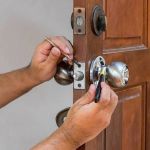 How to Choose the Right Locksmith for Your Lock Installation Services
 The Risks of Using Unlicensed Locksmith Services