
- Understanding Smart and Traditional Locks
- Pros and Cons of Smart Locks
- Pros and Cons of Traditional Locks
- Factors to Consider When Choosing
- Real-Life Examples and Case Studies
- Locksmith Finder Recommendations
1. Understanding Smart and Traditional Locks
Choosing the right lock for your home or business depends on your security needs, lifestyle, and budget. Smart locks are electronic devices that often allow keyless entry via smartphone apps, biometrics, or keypads, while traditional locks rely on mechanical keys and established hardware mechanisms.

1.1 What Are Smart Locks?
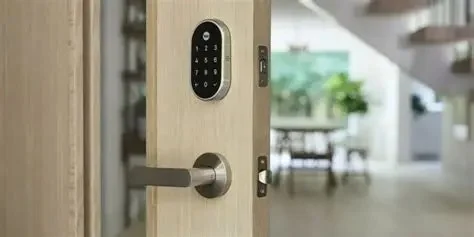
Smart locks offer digital access control, remote locking and unlocking, and integration with home automation systems. They can notify you when doors are opened and allow temporary access codes for guests or service personnel.

1.2 What Are Traditional Locks?
Traditional locks include deadbolts, knob locks, and mortise locks. They are simple mechanical systems that require physical keys for operation and do not depend on electricity or internet connectivity.
2. Pros and Cons of Smart Locks
2.1 Advantages
- Convenience of keyless entry and remote access.
- Ability to monitor door activity and grant temporary access.
- Integration with smart home systems for added automation.
2.2 Disadvantages
- Higher cost compared to traditional locks.
- Dependence on batteries or electricity, which can fail.
- Potential vulnerability to hacking if not properly secured.
3. Pros and Cons of Traditional Locks
3.1 Advantages
- Durable, reliable, and not dependent on electricity.
- Lower cost and widely available.
- Simple to repair or replace in case of malfunction.
3.2 Disadvantages
- No remote access or monitoring features.
- Keys can be lost, copied, or stolen, potentially compromising security.
- Less flexible for granting temporary access to guests or service providers.
4. Factors to Consider When Choosing
Several key factors should guide your decision:
4.1 Security Needs
Evaluate whether you need remote monitoring and access control or if basic mechanical security is sufficient for your property.
4.2 Budget
Smart locks typically cost more upfront and may require subscription services or additional hardware. Traditional locks are more budget-friendly and cost-effective over time.
4.3 Lifestyle and Convenience
If you frequently travel or need to provide access to guests or service personnel, smart locks may offer significant convenience. If simplicity and reliability are priorities, traditional locks remain effective.
5. Real-Life Examples and Case Studies
5.1 Smart Lock Success
Jane, a frequent traveler, installed a smart lock on her front door. She can grant temporary access to her dog walker and receive notifications whenever someone enters her home. This has increased her peace of mind while she is away.
5.2 Traditional Lock Reliability
Michael installed a high-quality deadbolt on his suburban home. He appreciates the mechanical reliability and simplicity, ensuring his home is secure without relying on batteries or connectivity.
6. Locksmith Finder Recommendations
Locksmith Finder provides expert guidance to help homeowners choose the right locks for their needs:
- Professional assessment of security requirements and property layout.
- Comparison of smart and traditional lock options with pros and cons.
- Installation services for both electronic and mechanical locks.
- Advice on maintenance, battery replacement, and lock upgrades.
Using Locksmith Finder ensures that you select the most suitable locking solution, balancing convenience, security, and reliability for your home or business.
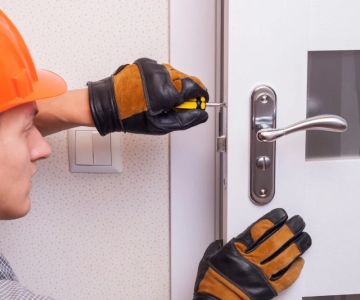

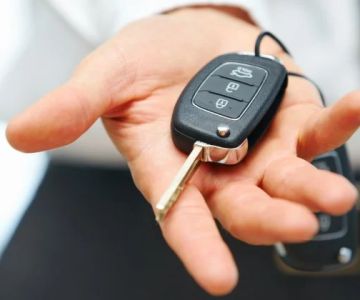
 KeyMe Locksmiths4.0 (8 reviews)
 KeyMe Locksmiths4.0 (15 reviews)
 KeyMe Locksmiths4.0 (29 reviews)
 KeyMe Locksmiths4.0 (10 reviews)
 Aladdin Lock & Key4.0 (85 reviews)
 Minute Key5.0 (10 reviews)
 How to Protect Your Home from Lock Impressioning and Hacking: Essential Tips and Solutions
 How to Choose the Right Locksmith for Your Emergency Needs
 The Risks of Using Unlicensed Locksmith Services
 The Importance of Installing a Double Cylinder Deadbolt Lock
 How to Choose the Right Locksmith for Your Lock Repair Services
 How to Protect Your Home from Lock Bumping: Locksmith Tips