
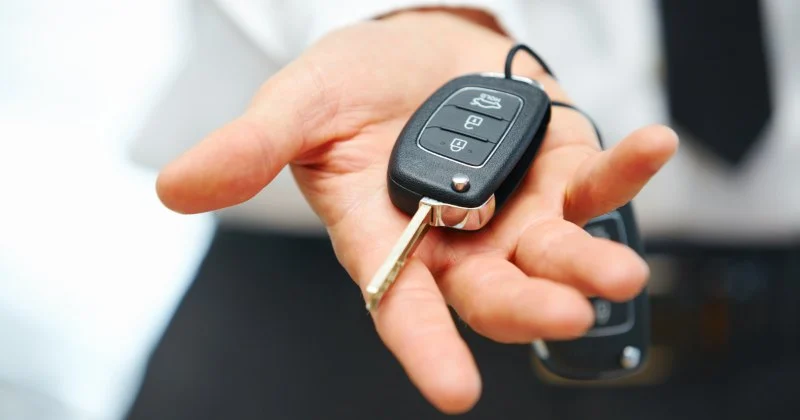
- 1-Common-Reasons-Key-Fobs-Stop-Working
- 2-Step-by-Step-Troubleshooting-Tips
- 3-Battery-Replacement-and-Maintenance
- 4-Professional-Locksmith-Assistance
- 5-Prevention-and-Long-Term-Tips
1. Common Reasons Key Fobs Stop Working
Key fobs are essential for modern vehicle access and security, but they can unexpectedly fail. Understanding the underlying causes can save time and reduce stress.
1.1 Dead or Weak Battery
The most frequent reason for a key fob to stop working is a depleted battery. Even if the fob worked yesterday, batteries can wear down quickly depending on usage and age.
1.2 Signal Interference
Electronic devices, nearby radio frequencies, or even certain buildings can interfere with the key fob signal. If your fob suddenly stops unlocking your vehicle, interference may be the culprit.
1.3 Mechanical Damage
Dropping the key fob or exposing it to moisture can damage internal circuits. In some cases, buttons may stop responding entirely.
2. Step-by-Step Troubleshooting Tips
Before assuming your key fob is irreparable, follow these practical troubleshooting steps to identify and possibly fix the issue.
2.1 Check the Battery
Open the key fob and inspect the battery. Replace it with a new one of the same type to see if that restores function. Often, this is the simplest solution.
2.2 Test Backup Key
If you have a spare key fob, use it to check whether the problem lies with the primary device or the vehicle’s receiver system.
2.3 Reprogram the Key Fob
Some vehicles require key fobs to be reprogrammed after battery replacement. Consult your vehicle manual or contact a professional if this step is needed.
3. Battery Replacement and Maintenance
Maintaining your key fob properly extends its lifespan and reduces the risk of sudden failures.
3.1 Choosing the Right Battery
Always use the manufacturer-recommended battery type. Cheap alternatives may fail faster or even damage the fob.
3.2 Cleaning Contacts
Corrosion or dirt on the battery contacts can prevent proper electrical flow. Use a soft cloth or cotton swab to gently clean contacts when replacing the battery.
3.3 Regular Checkups
Replacing batteries before they die completely and inspecting the key fob periodically can prevent sudden lockouts or malfunctions.
4. Professional Locksmith Assistance
Sometimes, DIY troubleshooting isn’t enough. Professional locksmiths can offer efficient solutions when key fobs fail unexpectedly.
4.1 When to Call a Locksmith
If your key fob does not respond even after battery replacement and reprogramming, it’s time to consult a certified locksmith. They can diagnose internal issues and provide on-the-spot repairs.
4.2 Services Offered
Locksmiths can replace key fob circuits, reprogram devices, and in some cases, provide temporary access solutions so you are not stranded.
For reliable assistance and service near you, visit Locksmith Finder to find the most trusted experts for quick solutions.
5. Prevention and Long-Term Tips
To avoid future key fob issues, consider these long-term practices:
5.1 Keep Spare Batteries Handy
Having an extra battery allows for immediate replacement if your fob suddenly stops working.
5.2 Avoid Physical Damage
Do not expose the fob to moisture or drop it, as internal components are delicate and can fail easily.
5.3 Schedule Regular Key Fob Maintenance
Including your key fob in your routine vehicle maintenance ensures early detection of potential issues, keeping your car access reliable at all times.
 Minute Key1.0 (1 reviews)
 KeyMe Locksmiths4.0 (30 reviews)
 KeyMe Locksmiths3.0 (4 reviews)
 KeyMe Locksmiths4.0 (101 reviews)
 Minute Key2.0 (13 reviews)
 Minute Key2.0 (3 reviews)
 The Risks of Using Cheap Locksmith Services
 The Importance of Installing a Double Cylinder Deadbolt Lock
 How to Maintain and Lubricate Locks for Longevity: Essential Tips for Homeowners
 Locksmith Tips: How to Avoid Lock Malfunctions in Extreme Weather
 How to Protect Your Business from Break-Ins: Locksmith Solutions
 How to Maintain Your Locks to Prevent Rust and Wear