
1. Understanding Lock Picking Tools and Techniques
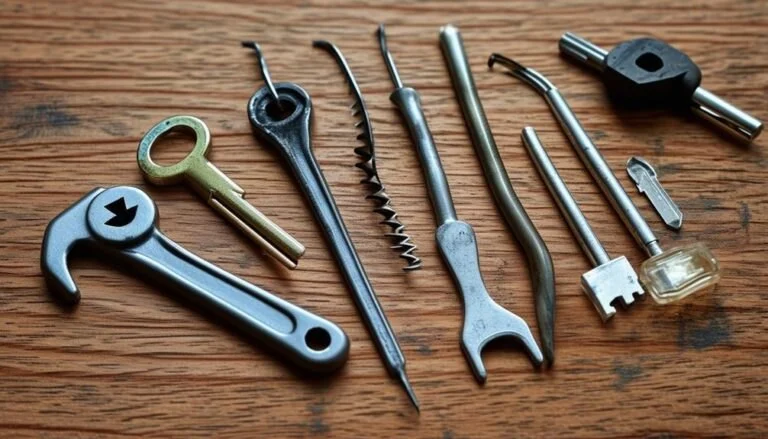
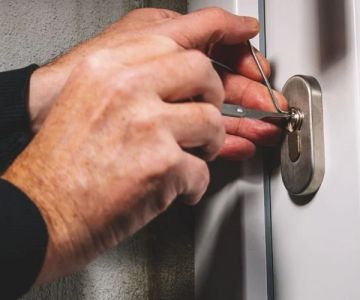
Lock picking is the practice of manipulating the components of a lock to unlock it without the original key. There are various tools used in this illegal activity, including tension wrenches, picks, and rakes. While professional locksmiths use these tools for legitimate purposes, they can also be exploited by criminals to break into homes and businesses.
Common lock picking tools include:
- Tension Wrenches: These are used to apply rotational pressure to the lock mechanism while the pick manipulates the pins.
- Picks: These thin tools are used to lift the lock pins to the correct height, enabling the lock to turn and open.
- Rakes: A rake is used to quickly move pins to their correct positions, making the process faster for criminals.
Understanding these tools is the first step in protecting your home. Knowing how these tools work allows you to take proactive steps to secure your locks and prevent unauthorized entry.

2. How Lock Picking Works and Why It’s a Threat
To understand why lock picking is a threat, it’s important to know how locks function. Traditional pin tumbler locks, the most common type of lock used in homes, have a set of pins that must align to allow the lock to open. Lock picking tools work by mimicking the action of a key, using tension and manipulation to lift the pins to the correct height.
When someone uses lock picking tools, they are essentially bypassing the security features of your locks. In most cases, this can be done quickly and quietly, making it difficult to detect. While newer locks may offer enhanced security features, older or less sophisticated locks can be picked by experienced criminals in mere minutes.
This makes it crucial to not only have high-quality locks but also to ensure that they are up-to-date and resistant to lock picking techniques.

3. Effective Methods to Prevent Lock Picking at Home
Now that you understand the tools and techniques behind lock picking, it’s time to implement strategies to prevent unauthorized access to your home. Here are some effective methods:
1. Invest in High-Security Locks: One of the best ways to protect your home is by installing high-security locks that are designed to resist picking. These locks have advanced features like anti-pick pins, sidebars, and rotating mechanisms that make them more difficult to manipulate. Look for locks certified by the American National Standards Institute (ANSI) or the Sold Secure certification for higher security.
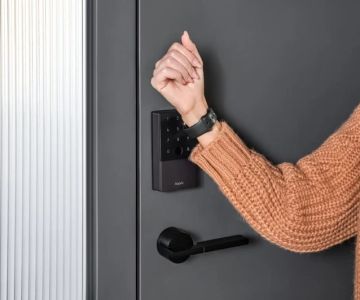
2. Upgrade to Smart Locks: Smart locks offer a more advanced layer of protection. These locks typically use biometrics (fingerprints), digital keypads, or mobile app control instead of traditional keys. Since they don’t rely on conventional lock-and-key mechanisms, they can be much harder to pick.
3. Use Additional Security Measures: In addition to upgrading your locks, consider adding other security features like door sensors, deadbolts, and security cameras. These measures act as a deterrent to would-be criminals and can alert you in case of any suspicious activity.
4. Reinforce Door Frames and Hinges: Even the most advanced lock can be bypassed if the door frame is weak. Make sure your doors are solid and that the frames and hinges are reinforced to prevent criminals from forcing the door open, even if they can bypass the lock.
4. Choosing the Right Locks for Maximum Protection
Choosing the right lock for your home is essential for protecting it from lock picking. Here are some important factors to consider when selecting locks:
1. Deadbolt Locks: Deadbolts are a must-have for exterior doors. They are much stronger than regular spring bolt locks and are resistant to common picking tools. Ensure you choose a high-quality deadbolt lock with a reinforced steel bolt.
2. Multi-Point Locks: These locks are ideal for sliding glass doors or French doors, as they lock at multiple points along the door frame. The added complexity makes them much harder to pick than single-point locks.
3. High-Security Cylinder Locks: A high-security cylinder lock contains special pins and mechanisms designed to resist picking, bumping, and other tampering methods. These locks are often found in commercial settings but can be used in residential homes as well.
When choosing locks, it’s essential to consult a locksmith or security expert to ensure that the locks are compatible with your door type and security needs. Consider using a combination of different lock types to enhance overall protection.
5. Real-Life Case: How Homeowners Protected Their Property from Lock Picking
John and Emma, a couple living in a suburban neighborhood, had been victims of a break-in despite having standard deadbolt locks. After the burglary, they decided to invest in high-security locks and additional measures to prevent future break-ins. They installed smart locks, reinforced their door frames, and added security cameras around their property.
Three months later, they experienced another attempted break-in. However, this time, their high-security locks and additional security features thwarted the intruder's efforts. The intruder was unable to pick the locks, and the security cameras recorded the suspicious activity, which was later handed over to the authorities.
John and Emma’s experience underscores the importance of investing in advanced security systems and maintaining a proactive approach to home security. It also highlights how easily outdated locks can be compromised by skilled criminals, making regular upgrades essential.
6. Maintaining Your Home’s Security Long-Term
Once you’ve taken steps to protect your home from lock picking and other threats, it’s essential to maintain your security measures over time. Here are a few key maintenance tips:
1. Regularly Check and Update Your Locks: Over time, locks can wear out or become less effective. Make it a point to inspect your locks regularly for signs of wear and tear. If your locks are outdated or no longer functioning properly, replace them with more secure options.
2. Stay Updated on Security Technology: As lock picking tools and techniques evolve, so does security technology. Stay informed about new advances in home security and consider upgrading your systems periodically to stay ahead of potential threats.
3. Maintain a Secure Home Environment: Keep doors and windows locked when not in use, install motion-detection lights, and ensure that your home is well-lit at night. The more secure your home feels, the less likely it is to become a target for criminals.
By following these steps and consulting professionals from platforms like Locksmith Finder, you can ensure that your home stays secure from lock picking tools and other threats for the long haul.

 KeyMe Locksmiths4.0 (4 reviews)
 KeyMe Locksmiths5.0 (1 reviews)
 KeyMe Locksmiths4.0 (165 reviews)
 KeyMe Locksmiths4.0 (2 reviews)
 Precision Locksmithing LLC4.0 (92 reviews)
 A-1 Lock Inc.4.0 (54 reviews)
 Locksmith Advice for Protecting Your Home from Burglary Attempts
 How to Secure Your Basement Windows Against Break-Ins
 How to Secure Your Fence Gate: Locksmith Solutions for Maximum Protection
 How to Protect Your Home from Lock Shimming: Locksmith Tips to Safeguard Your Property
 How to Protect Your Home During Nighttime With Advanced Locks
 How to Upgrade Your Business Security With Modern Lock Systems