
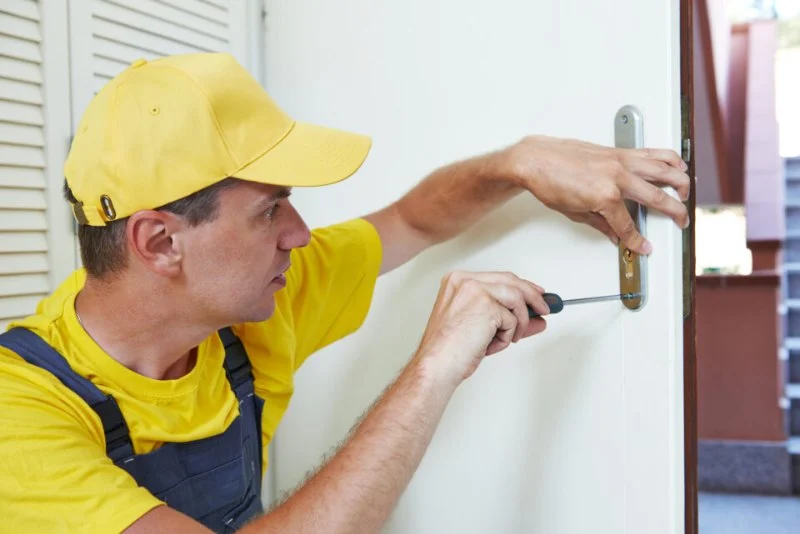
- Understanding Lock Scams and How They Work
- Signs of Lock Scams to Look Out For
- How to Choose a Trustworthy Locksmith
- Real-Life Examples of Lock Scams and How to Avoid Them
- Tips for Ensuring Your Home Is Secure
Understanding Lock Scams and How They Work
Lock scams are unfortunately on the rise, and they can put your home’s security at risk. These scams typically occur when a fake or unqualified locksmith takes advantage of a homeowner’s need for emergency services, overcharging them or providing poor-quality work. Often, scammers pose as licensed locksmiths, using misleading ads or bait-and-switch tactics to lure customers in, only to take advantage of them once they’re inside the home.
In some cases, these scams involve inflated pricing, while in others, locksmiths may intentionally damage locks or security systems to make you believe that additional services or repairs are necessary. Knowing what to look out for is the first step in protecting your home and avoiding falling victim to these dishonest practices.
Signs of Lock Scams to Look Out For
To help protect yourself from falling for a lock scam, it’s crucial to be aware of the warning signs. Here are some common red flags to watch out for:
- Unusually Low or High Estimates: Scammers often provide unrealistically low quotes over the phone, only to drastically increase the price once they arrive at your home. On the other hand, some might charge exorbitant fees for simple services. Always ask for a written estimate before work begins.
- Lack of Identification or Credentials: A legitimate locksmith will always show their identification, license, and any relevant certifications. If they refuse or can’t provide this information, it’s a clear sign they may not be trustworthy.
- No Company Name or Vehicle Branding: Trustworthy locksmiths typically operate under a recognized brand and will have their company name, logo, and contact details visible on their vehicle and uniforms. If you encounter a locksmith who doesn’t have this, be cautious.
- Pressure Tactics: Scammers often rush homeowners into making decisions by creating a sense of urgency. A reputable locksmith will provide you with options and allow you time to make an informed choice.
How to Choose a Trustworthy Locksmith
When it comes to choosing a reliable locksmith, there are several steps you can take to ensure you’re getting a professional who can provide quality service at a fair price. Here are some tips:
- Do Your Research: Before hiring a locksmith, do a quick online search to check their reputation. Look for reviews on websites like Yelp or Google and verify that the company is licensed and insured.
- Get Recommendations: Ask friends, family, or neighbors for recommendations. If someone you trust has had a positive experience with a locksmith, chances are you will too.
- Request a Quote: Always ask for a written estimate before the locksmith starts working. This will help you avoid surprise charges or hidden fees. Make sure the quote covers all services and any potential extra costs.
- Check for Credentials: A reputable locksmith will have proper licensing, insurance, and industry certifications. If they cannot provide these, it’s best to look elsewhere.
Real-Life Examples of Lock Scams and How to Avoid Them
Let’s take a look at a real-life example. Last year, Tom, a homeowner in New York, found himself locked out of his house. He called a locksmith who came highly recommended on an online search. The locksmith quoted him $40 over the phone, but once he arrived, the price skyrocketed to $200 due to “emergency service fees.” The locksmith also tried to upsell unnecessary lock changes, which Tom thankfully declined. Tom later discovered that the locksmith didn’t have a proper license, and he filed a complaint with the Better Business Bureau.
This situation could have been avoided if Tom had done more research beforehand and asked for a written estimate. It’s a great reminder that even if a locksmith seems reputable online, always take the time to verify their credentials and request an estimate before any work begins.
Tips for Ensuring Your Home Is Secure
In addition to finding a trustworthy locksmith, there are other steps you can take to ensure your home’s security is not compromised:
- Change Locks Regularly: It’s a good idea to change your locks every few years or when you move into a new home. If you’ve recently lost your keys or experienced a break-in, consider changing the locks immediately.
- Use High-Quality Locks: Invest in high-quality, tamper-resistant locks for your doors and windows. These can significantly improve your home’s security and reduce the likelihood of a break-in.
- Install a Deadbolt: Deadbolts are one of the most secure types of locks available. Consider installing one on every external door for added protection.
- Secure Windows: Many home break-ins occur through unlocked or unsecured windows. Make sure to lock all windows when you leave the house and consider adding additional security measures like window locks or sensors.
If you're unsure about your home’s current security setup or need assistance with a lock installation, visit Locksmith Finder for expert recommendations and a trusted list of locksmith services in your area.
 Minute Key5.0 (1 reviews)
 KeyMe Locksmiths4.0 (145 reviews)
 Graham Reid Lock & Key5.0 (76 reviews)
 KeyMe Locksmiths4.0 (3 reviews)
 KeyMe Locksmiths4.0 (16 reviews)
 KeyMe Locksmiths0.0 (0 reviews)
 How to Protect Your Home from Lock Fraud: Locksmith Tips
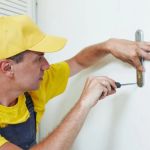 How to Protect Your Home from Lock Scams: Locksmith Tips
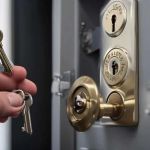 How to Prevent Key Copying and Unauthorized Access: Key Security Tips
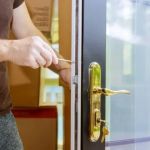 How to Secure Entry Doors With Multiple Lock Types
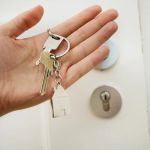 Locksmith Tips for Keeping Your Keys Safe at Home: Expert Advice
 Locksmith Tips for Choosing the Right Door Hardware