
- 1 - Understanding-Broken-Door-Locks
- 2 - Common-Issues-With-Door-Locks
- 3 - How-Locksmiths-Repair-Without-Replacement
- 4 - Tools-And-Techniques-Used-By-Professionals
- 5 - Real-Life-Case-Studies
- 6 - Preventive-Measures-For-Lock-Maintenance
- 7 - Choosing-The-Right-Locksmith
- 8 - FAQ-About-Lock-Repair
1. Understanding Broken Door Locks
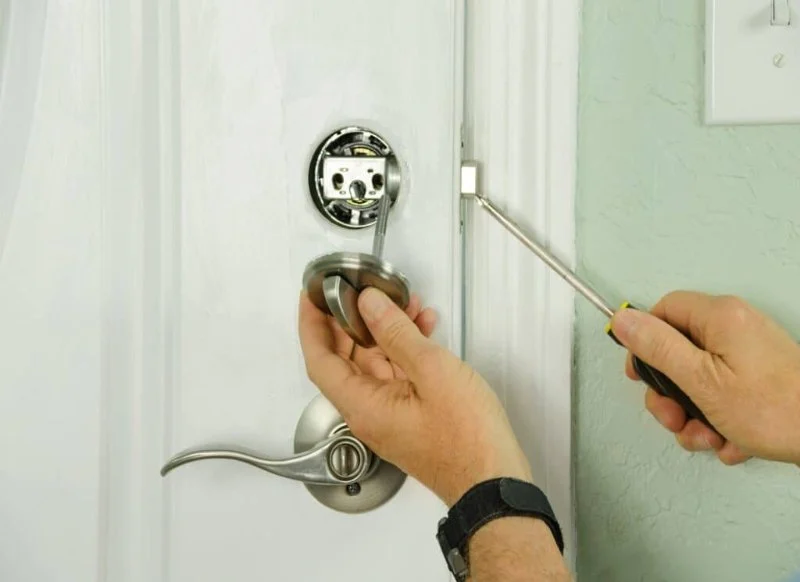
When facing a door that refuses to lock or unlock properly, many homeowners immediately consider replacing the entire lock. However, not all broken locks require full replacement. A locksmith near you can often restore functionality by addressing underlying mechanical issues, worn-out components, or misalignments. Understanding the type of lock and the nature of the damage is crucial for determining whether repair is feasible.
1.1 Types of Door Locks
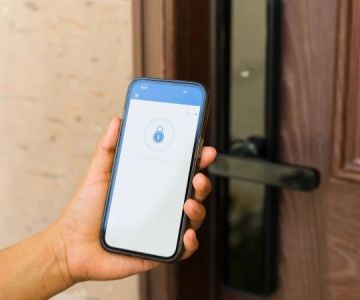
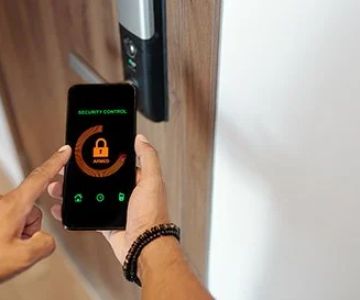
Door locks come in several varieties, including deadbolts, knob locks, lever handle locks, and electronic locks. Each type has its own set of vulnerabilities. For example, deadbolts may suffer from internal tumblers becoming misaligned, while electronic locks can fail due to battery issues or circuit malfunctions. Knowing your lock type helps in communicating effectively with a locksmith and understanding the repair process.
1.2 Symptoms Indicating Lock Issues
Common signs of a broken door lock include difficulty turning the key, the door sticking when locking, rattling sounds from inside the lock mechanism, and incomplete locking engagement. These symptoms often point to internal wear, corrosion, or mechanical obstruction rather than the need for full replacement.
2. Common Issues With Door Locks
Door locks, although designed to be durable, face constant mechanical stress and environmental challenges. A few common issues include:
2.1 Wear and Tear
Over time, repeated use can cause the pins, tumblers, and springs inside a lock to wear down. This gradual deterioration can result in keys jamming or the lock failing to engage properly. In many cases, a professional locksmith can replace worn internal components without replacing the entire lock.
2.2 Misalignment of Door and Lock
Doors can shift due to humidity changes, settling foundations, or frame warping. Even a perfectly functioning lock may fail if the strike plate and bolt are misaligned. Adjusting the alignment often resolves the issue without the need for replacement.
2.3 Corrosion and Dirt Accumulation
Locks exposed to moisture or dust can corrode or collect debris inside the mechanism. This can prevent smooth key operation. Cleaning, lubricating, or minor part replacement by a locksmith can restore functionality effectively.
3. How Locksmiths Repair Without Replacement
Professional locksmiths have a variety of strategies to repair broken locks without resorting to replacement. These strategies prioritize cost-efficiency, minimal disruption, and longevity of the lock.
3.1 Replacing Internal Components
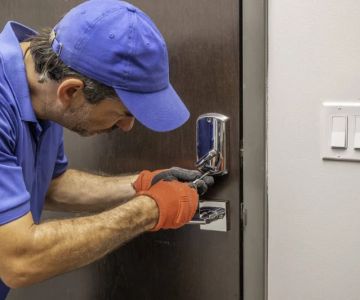
Many lock issues stem from a few worn components rather than the entire unit. A locksmith can replace pins, springs, or tumblers, bringing an old lock back to full functionality. This method is particularly effective for standard deadbolts and cylindrical locks.
3.2 Realigning and Adjusting Mechanisms
If the lock is functional but misaligned, a locksmith can adjust the strike plate, reposition the lock body, or fine-tune the latch. Realignment often restores the door’s security and ease of use without any replacement cost.
3.3 Lubrication and Cleaning
Sometimes, a lock simply needs professional cleaning and lubrication. Using specialized tools and high-quality lubricants, locksmiths remove grime, rust, and buildup that impede operation. This simple step can extend the life of a lock significantly.
4. Tools and Techniques Used by Professionals
Locksmiths rely on precise tools and techniques to repair locks efficiently. Understanding these tools helps homeowners trust the repair process.
4.1 Pinning Kits and Re-key Tools
Pinning kits allow locksmiths to replace worn pins or re-key a lock to work with a new key. This is a targeted solution that avoids full replacement while maintaining security.
4.2 Tension Wrenches and Pick Sets
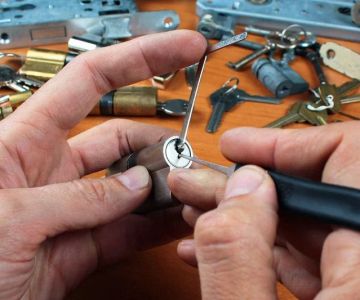
For minor jams or internal misalignments, tension wrenches and pick tools help manipulate internal components without causing damage. Skilled locksmiths use these tools to restore proper lock operation quickly.
4.3 Latch Adjustment Tools
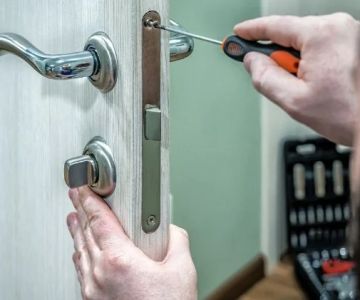
Specialized files, screwdrivers, and alignment tools allow locksmiths to realign the strike plate and adjust the latch. This technique can solve door misalignment problems that seem like lock failures.
5. Real-Life Case Studies
Consider the example of Sarah, a homeowner in Chicago, whose front door deadbolt refused to turn. She called a local locksmith, who discovered that two pins inside the lock were worn and the strike plate was slightly misaligned. Within 30 minutes, the locksmith replaced the pins, adjusted the strike plate, and lubricated the mechanism. The door was secure and functional without replacing the lock entirely.
Another case involved a small office in Dallas where multiple door locks were sticking due to dust accumulation. A locksmith from Locksmith Finder systematically cleaned and lubricated each lock, improving security and function, all without expensive replacements.
6. Preventive Measures for Lock Maintenance
Maintaining your door locks can prevent costly replacements and ensure long-term security.
6.1 Regular Cleaning
Regularly clean locks with appropriate products to remove dirt and debris. Avoid harsh chemicals that can corrode metal components.
6.2 Lubrication Schedule
Lubricate locks every six months using a graphite or silicone-based lubricant. Avoid oil-based lubricants that can attract dust and gunk.
6.3 Inspect for Misalignment
Check door alignment periodically. A slight shift in the door frame can create significant locking issues. Prompt adjustment can prevent more severe lock damage.
7. Choosing the Right Locksmith
Finding a trustworthy locksmith is crucial. Here’s how to choose a reliable professional:
7.1 Verify Credentials
Ensure the locksmith is licensed and insured. This protects you and guarantees professionalism.
7.2 Check Experience and Specializations
Some locksmiths specialize in residential, commercial, or electronic locks. Select one who has experience with your specific lock type.
7.3 Use Reputable Platforms
Services like Locksmith Finder can connect you with vetted locksmiths near your location, ensuring prompt, reliable service and accurate pricing.
8. FAQ About Lock Repair
8.1 Can all broken locks be repaired?
Not all locks can be repaired. Severe corrosion, broken lock bodies, or electronic failures sometimes require replacement. A professional locksmith can assess the lock and recommend the most effective solution.
8.2 How much does repair typically cost?
Repair costs vary based on the complexity of the issue and lock type. Minor adjustments or part replacements are generally more affordable than full replacements.
8.3 How quickly can a locksmith respond?
Emergency locksmiths near you can often respond within 30 to 60 minutes. For non-emergency repairs, scheduling a visit within the same day is typical.
In conclusion, many broken door locks do not require full replacement. Skilled locksmiths can repair, realign, and maintain locks effectively, saving homeowners time and money. Leveraging professional expertise, preventive maintenance, and platforms like Locksmith Finder ensures your doors remain secure and functional for years to come.
 Howlett Technologies5.0 (2 reviews)
 KeyMe Locksmiths4.0 (5 reviews)
 Minute Key3.0 (6 reviews)
 KeyMe Locksmiths0.0 (0 reviews)
 KeyMe Locksmiths0.0 (0 reviews)
 Minute Key5.0 (2 reviews)
 What to Expect During a Home Lock Installation Service
 How to Handle Emergency Lockouts During Late Night Hours
 How to Protect Your Home From Lock Tampering and Forced Entry: Essential Tips for Security
 How to Protect Your Garage From Theft Using Advanced Locks
 Can a Locksmith Near Me Fix Broken Door Locks Without Replacement | Expert Insights
 How to Choose the Right Locksmith for Emergency Car Lockouts