
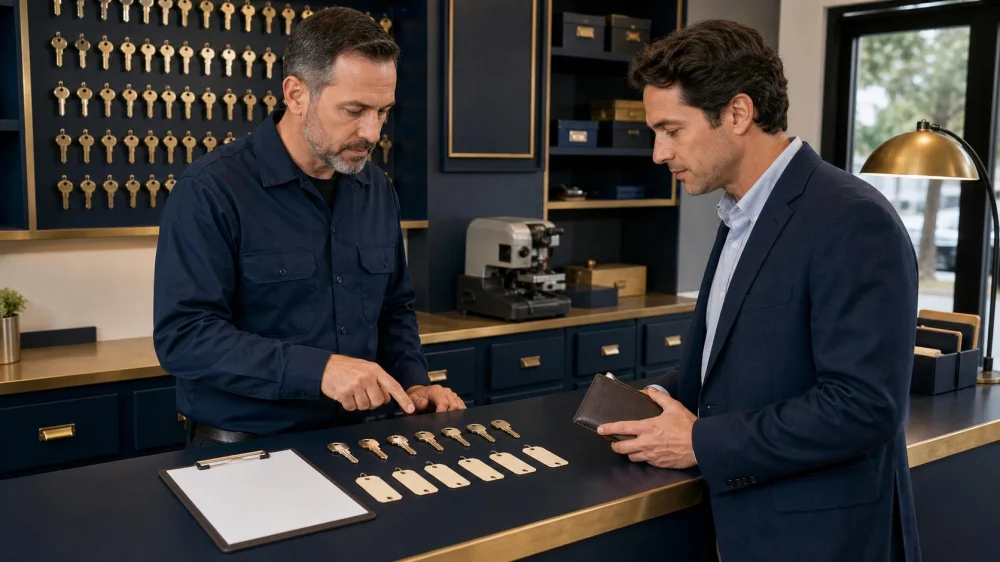
Key Duplication Control: Authorize and Track Every Copy
Making a spare key is easy; controlling who may make, hold, return, and destroy copies is the real security task. A useful key-control process starts with documented authority, uses neutral identifiers instead of addresses, records every handoff, and triggers a rekey review when accountability is lost. It should protect occupants without collecting more personal data than necessary.
Quick answer
Identify the property owner or authorized manager, confirm which lock each key operates, count existing copies, and decide who genuinely needs access. Use a unique inventory code rather than an address on the tag. Record the copy number, holder, issue date, purpose, return date, and approval. When a key is lost, stolen, copied without permission, or not returned, review exposure and arrange an authorized rekey or replacement when warranted.

Verify authority
Before requesting a duplicate, confirm the requester has permission to control that lock. Owners, tenants, property managers, employers, associations, and institutions may have different rights under a lease, policy, contract, or local law. A locksmith may require identification and proof of ownership or management authority.
Do not copy a key marked as restricted, controlled, or “do not duplicate” without the required authorization. Patented or managed key systems may require a signature, credential, or order through an approved dealer. If authority is unclear, pause and contact the recorded owner or system administrator.
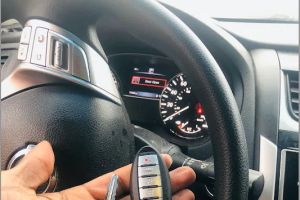
Build an inventory
Give each door or lock group a neutral code, then number each authorized key. Record the keyway or system only in the protected administrative record, not on a tag that travels with the key. Count keys held by occupants, staff, contractors, cleaners, vendors, emergency contacts, and secure storage.
Separate facts from assumptions. “Three issued, two returned, one holder unknown” is actionable; “probably in a drawer” is not. Note whether the key operates one cylinder, several keyed-alike doors, a master-key level, a mailbox, gate, vehicle, cabinet, or shared amenity.
Approve duplication
Use a written request naming the authorized approver, reason, quantity, and recipient. Confirm whether a spare is truly necessary or whether a time-limited electronic credential, supervised access, or existing sign-out key would reduce risk. Avoid creating convenience copies with no responsible holder.
Ask the locksmith to match the intended blank and cut the copy from a verified working key or system record. A worn key can reproduce wear. Test the new copy in every authorized lock while the door is open, then test normal locking from both sides without forcing it. Never file or alter a key to make a poor copy fit.
Label without exposing the address
Use a code that only the protected inventory can translate. Do not put a street address, apartment number, business name, alarm detail, or phone number beside a door identifier. Keep access levels out of public view.
Tags should be durable, compact, and free of sharp edges. Avoid attaching a building key to an identification card that reveals where the holder lives or works. For master or high-access keys, use a controlled cabinet or sealed handoff process.
Document handoffs
Record the key number, holder, issue date and time, purpose, approving person, expected return, and actual return. The holder should acknowledge restrictions on sharing, copying, labeling, and unattended storage. Provide a clear contact for loss or after-hours problems.
At return, inspect the identifier, mark the time, and update the inventory immediately. Do not silently place an unidentified key back into circulation. If a contractor transfers responsibility to another worker, require a new authorized handoff rather than an informal pass.
Store spares securely
Keep spares in a locked cabinet, safe, or managed key system with access limited by role. Separate the code lookup from the physical keys when practical. Do not hide building keys under mats, in planters, above doors, or inside unlocked utility spaces.
Maintain emergency access according to fire, medical, building, and lease requirements. A key safe or lockbox should be approved, installed to resist removal, located without advertising its purpose, and have its credential reviewed after personnel changes.
Respond to a missing key
Record when and where it was last seen, which doors it operates, whether it carries identifying information, and whether theft is suspected. Notify the owner, manager, security contact, or agency supervisor promptly. For theft or immediate threat, contact law enforcement as appropriate.
Risk is higher when the key can be linked to the property, opens many areas, belongs to a master system, or disappeared with identification. An authorized locksmith can explain rekeying, cylinder replacement, or system changes. Do not wait for certainty when occupants face a credible threat.
Review and close out
Audit the log after move-outs, terminations, contractor completion, roommate changes, lost keys, or security incidents. Compare physical keys with the register, resolve exceptions, and record rekey dates and new key numbers. Destroy obsolete keys through an approved method so they cannot be reused.
Keep invoices, authorization, system records, warranties, and test results together. Limit retention of names and signatures to what the policy or law requires, and protect the register as security-sensitive information.
Frequently asked questions
Can a key marked “do not duplicate” be copied?
Rules vary by system and jurisdiction. Treat the marking as a stop signal and obtain documented authority from the owner or system administrator.
Should a key tag show the address?
No. Use a neutral code that only an authorized record can translate.
Is returning every key enough after a move-out?
Not always. Unknown duplicates may exist, so the authorized owner should assess whether to rekey.
What should be tested?
With the door open, verify smooth insertion, rotation, withdrawal, locking, and unlocking in every intended cylinder.
Next steps
Confirm who controls the lock, create a coded inventory, reconcile existing copies, and document every new approval and handoff. Put a missing-key escalation path in writing before a loss occurs. Ask an authorized locksmith about restricted systems or rekeying when accountability cannot be restored.

 KeyMe Locksmiths3.0 (21 reviews)
 JB Auto Locksmith4.0 (160 reviews)
 KeyMe Locksmiths0.0 (0 reviews)
 Minute Key4.0 (5 reviews)
 KeyMe Locksmiths4.0 (16 reviews)
 Sage Security Solutions4.0 (74 reviews)
 How to Protect Your Home From Burglary During Holidays
 How to Choose Between a Local Locksmith and a National Service
 Door Lock Damaged After Forced Entry? Preserve Evidence and Restore Security
 How Do I Get Emergency Locksmith Near Me Help in Less Than 30 Minutes?
 How to Maintain and Lubricate Locks for Longevity: Essential Tips for Homeowners
 How to Protect Your Business With Master Key Systems: A Comprehensive Guide