
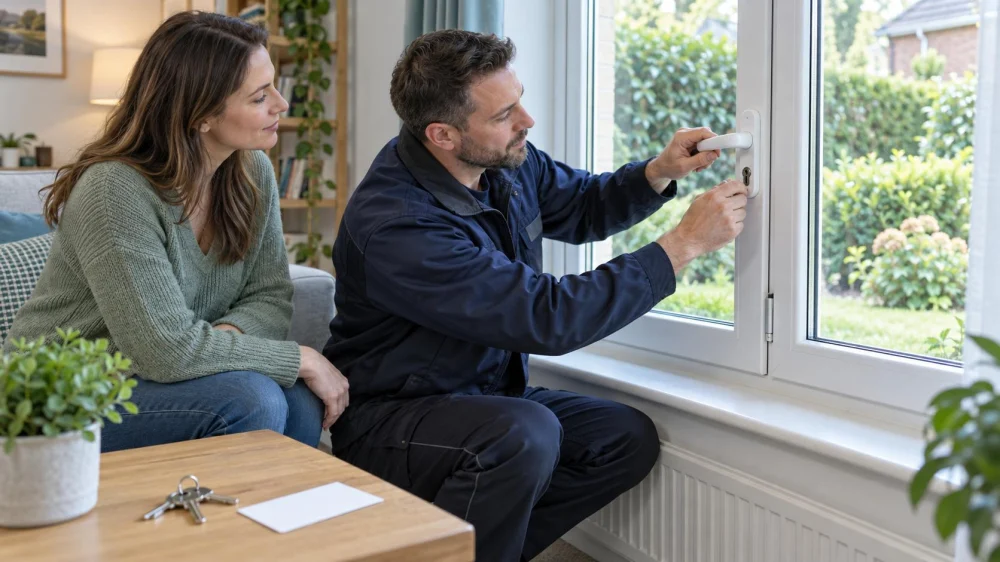
Window Lock Check: Close, Test, Keys, and Emergency Exit
On this page
Quick answer
Close each accessible window fully, test its latch or lock gently, and confirm the frame, hinges, tracks, and glass are sound. Record stuck, loose, missing, or mismatched hardware and control any keys. Do not force a warped window or add a lock that blocks a required emergency escape opening; use a qualified locksmith or window professional and follow local fire and building rules.

Inventory accessible windows
List ground-floor windows, basement windows, windows beside roofs or balconies, and any opening reachable from a porch, fence, tree, or outbuilding. Include small bathroom and utility windows rather than assuming size alone makes them secure.
Record the window type, location, lock style, key count, and whether it is part of an emergency escape route. Photograph hardware condition without sharing addresses or key details publicly.

Inspect frames and hardware
Look for loose screws, cracked frames, damaged keepers, worn hinges, lifted tracks, broken handles, gaps, rot, corrosion, or glass damage. Check whether curtains, plants, furniture, or child-safety devices interfere with normal operation.
Police crime-prevention guidance recommends regularly checking window frames, locks, and hinges and repairing damage promptly. A lock cannot compensate for a failing frame or unsecured glazing system.
Test the normal lock cycle
Close the window completely and operate the intended latch, key, or handle without force. Gently confirm that the sash or panel does not open in the locked position, then unlock and open it to ensure normal ventilation and escape operation remain available.
Test while another safe exit is available. Do not lean out, stand on unstable furniture, or place fingers in closing points. Sliding, sash, casement, awning, and tilt-turn windows use different hardware and require product-specific checks.
Control keys without blocking escape
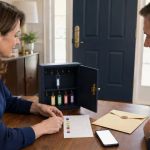
Count keys, label them by a neutral location code, and store them where authorized occupants can reach them but outsiders cannot. Never leave a key in view or within reach through the glass or letter opening.
Local fire and building codes may require certain bedroom or basement windows to open from inside without keys or tools. Confirm requirements before fitting keyed locks, restrictors, bars, or secondary hardware.
Plan repair or replacement
Ask a qualified locksmith or window specialist to identify compatible hardware and inspect the frame, keeper, fasteners, glass, and emergency-release needs. Get the model, finish, keying, scope, and testing in writing before approving work.
Police.uk window-security guidance notes that locks work only when used and recommends professional advice on appropriate standards. Because this site serves the United States, confirm local codes and locally recognized products rather than applying UK ratings directly.
Important safety limits
Do not drill into unknown frames, tempered glass zones, concealed wiring, or alarm contacts. Do not defeat egress, ventilation, child-safety, or landlord requirements. Broken glass, a damaged fire-escape window, evidence of forced entry, or an immediate security threat needs prompt professional or emergency help.
Frequently asked questions
Is the factory latch enough?
It depends on the window, frame, location, hardware condition, and local requirements. Ask a qualified professional to assess the whole opening.
Should every window use a key?
No. Keyed hardware can conflict with emergency escape needs. Check code and occupant safety before changing anything.
Can I force a stiff lock closed?
No. Force may break the handle, keeper, or frame. Record where it binds and arrange adjustment.
What if a key is missing?
Record the loss, restrict access as appropriate, and ask whether rekeying or replacement is needed for that hardware.
Sources and evidence notes
This checklist uses public police advice on locking windows, inspecting frames and hardware, and seeking standards-based professional help. It explicitly defers to U.S. local fire, building, rental, and product requirements.
Next steps
Map accessible and egress windows, test each lock gently, count keys, and flag damaged frames or hardware. Get professional repair recommendations that preserve both security and emergency escape, then retest every opening.


 Minute Key3.0 (11 reviews)
 Chapanar's QuiKeys4.0 (167 reviews)
 Minute Key0.0 (0 reviews)
 KeyMe Locksmiths4.0 (15 reviews)
 Snap & Crack Locksmith4.0 (1365 reviews)
 Minute Key4.0 (27 reviews)
 Window Lock Check: Close, Test, Keys, and Emergency Exit
 Multipoint Door Lock: Lift, Lock, Remove, and Test
 Locksmith Intake Call: Define Scope Before the Appointment
 Locksmith Completion Review: Test the Result Before Sign-Off
 Lock Rekey Appointment: Prepare Access and Key Handoff
 Spare House Key Plan: Choose Holders, Storage, and Review