
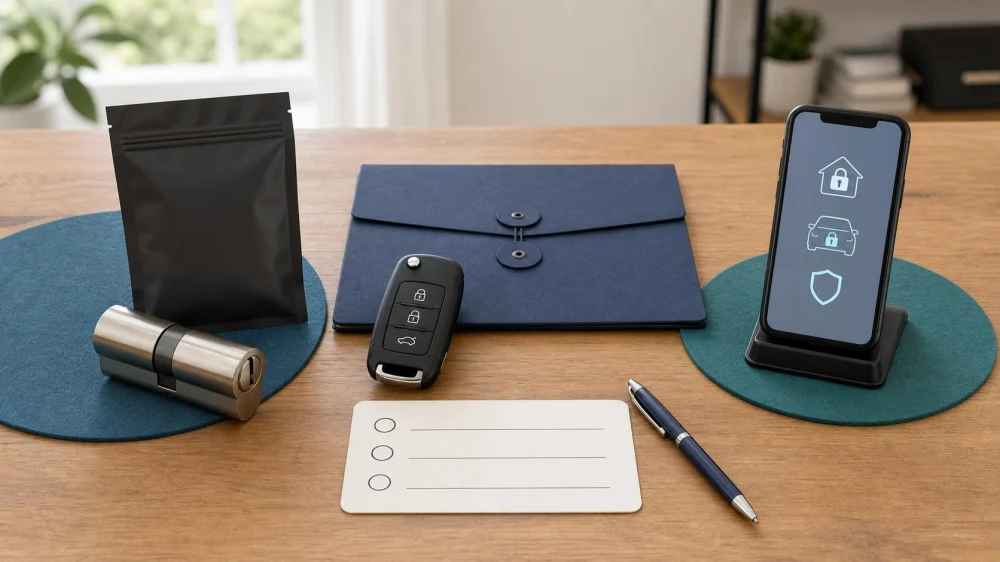
Keys Stolen? Secure Doors, Vehicles, and Accounts in Order
On this page
Quick answer
When keys are stolen, first move to a safe place and identify every door, vehicle, mailbox, safe, office, and electronic credential attached to the ring. If the thief can connect the keys to an address or vehicle, contact police as appropriate, notify the property owner or manager, and arrange verified locksmith or manufacturer support. Then remove lost smart-lock access, change exposed codes, and monitor for unauthorized entry.
This US-focused checklist organizes a response; it does not determine whether a lock must be rekeyed or replaced, how a vehicle key is disabled, or who legally controls a rental, workplace, mailbox, or shared property.
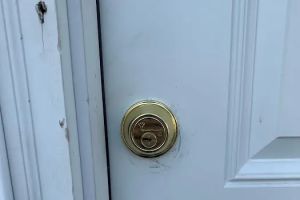
Assess what the keys reveal
Risk depends on whether the person holding the keys can identify what they open.
- Was a wallet, driver’s license, registration, work badge, parking pass, luggage tag, phone, or addressed mail stolen at the same time?
- Was the theft near the home, vehicle, workplace, school, or building entrance?
- Does the ring include a vehicle remote, building fob, mailbox key, safe key, storage key, or labeled tag?
- Could a stolen phone or unlocked app reveal the home address, smart lock, garage, vehicle location, or alarm controls?
- Is anyone vulnerable inside the property or unable to leave safely?
- Has there been a threat, stalking, forced entry, or attempt to use the keys?
Call 911 for an intruder, immediate threat, person trapped in danger, or crime in progress. Do not return alone to confront a suspected thief or wait beside an exposed door.

Secure property access first
- Notify the person who controls the property. This may be the owner, landlord, property manager, employer, association, or facilities team.
- Request temporary protection. Ask about staffed entry, a temporary guard, monitored access, or another safe place to stay while permanent access is restored.
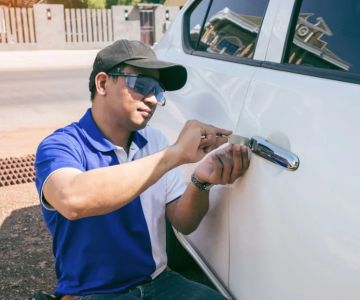
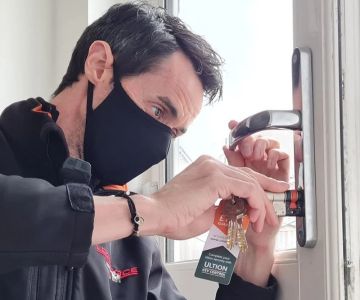
- Use a verified locksmith. Find the company independently, confirm identity and pricing, and show authorization to change the lock.
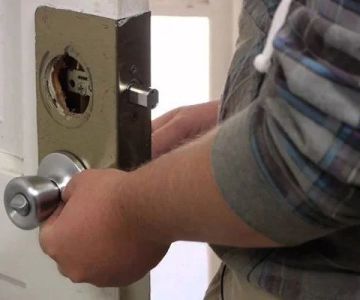
- Choose rekey or replacement after inspection. Rekeying may be sufficient for compatible, undamaged hardware; damaged, obsolete, master-keyed, restricted, or electronic systems may require a different response.
- Cover every matching cylinder. Ask which doors, gates, storage spaces, and common-area keys share the lost keyway.
- Test and document. Test new keys from both sides where safe, confirm required egress, count issued copies, and record who receives them.
Do not block a required exit, install an improvised barricade that traps occupants, or change rental or shared-property hardware without permission. Preserve forced-entry damage for police or insurance documentation before repair when safety allows.
Handle vehicle, mail, and other keys
Vehicle keys and remotes
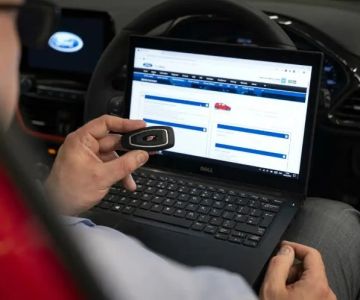
Move the vehicle to a secure location only if you can do so safely. Contact the automaker, dealer, qualified automotive locksmith, insurer, or roadside program through an official channel. Ask whether the stolen key or remote can be removed from the vehicle’s authorized list and whether all remaining keys must be present for programming.
A newly cut key does not necessarily disable a stolen remote. Procedures vary by make, model, year, immobilizer, and connected account. Do not use unverified programming devices or instructions.
Mailbox and parcel access
Identify who owns the box. A private mailbox, apartment cluster box, and US Postal Service-owned box follow different processes. Contact the property manager or local Post Office through an official number and report missing mail or suspected theft separately.
Work, school, storage, and safe keys
Notify the issuing organization promptly so it can disable fobs, change access lists, or assess a master-key exposure. For a safe, use the manufacturer or an authorized safe technician and be ready to prove ownership. Do not attempt destructive entry.
Update connected accounts and codes
A stolen key ring can create digital risk when it includes a smart-lock fob, garage remote, access token, or phone.
- Use the lock, garage, vehicle, or access-system manufacturer’s official app or support channel.
- Remove the lost user, credential, fob, key, or remote only through the documented process.
- Change shared door, garage, alarm, gate, and lockbox codes that may have been exposed.
- Review recent access events when the system supports reliable logs.
- Sign out unknown sessions and change the account password to a long, unique password.
- Enable multifactor authentication when the service supports it and protect recovery methods.
- Update household members and caregivers without sending new codes in an insecure group message.
Do not remove the only administrator or reset a system until you understand recovery and backup entry. Keep a physical access plan that does not depend on a single phone or battery.
Limits and urgent situations
Police and insurance: Record the time, place, items, serial numbers, key tags, vehicle details, and related property loss. Use the police report and insurer’s instructions as required; do not publish identifying details that make the keys easier to match.
Rentals and workplaces: The owner may control rekeying, master systems, and approved vendors. Report promptly and follow the agreement and local law.
Stalking or domestic violence: A standard rekey checklist may be insufficient. Contact emergency services or a local victim-support organization from a safe device and location. Avoid account or lock changes that alert an abuser before a safety plan is ready.
Key recovery: Treat recovered keys as compromised until the person controlling the property decides otherwise. They could have been copied or photographed.
Evidence and practical notes
This checklist uses layered security: reduce immediate exposure, identify every credential, notify the owner, replace or disable access through verified providers, protect digital accounts, and monitor for use.
For connected locks and vehicle accounts, the device manufacturer’s current instructions determine credential removal and recovery. The US Cybersecurity and Infrastructure Security Agency recommends strong unique passwords and multifactor authentication for online accounts; see CISA’s MFA guidance.
Local law, leases, workplace policy, postal ownership, insurance terms, and hardware design vary. Those specific rules take priority over a general response order.
Frequently asked questions
Should every lock be replaced after keys are stolen?
Not always. A locksmith or system owner may recommend rekeying compatible hardware, replacing damaged or unsuitable locks, or disabling an electronic credential. The correct scope depends on which keys match which access points.
Is rekeying enough if the address was with the keys?
Rekeying may remove access through the lost physical key, but review garage remotes, building fobs, smart accounts, windows, gates, mailbox access, and alarm codes too. Ask police or security professionals about added monitoring after a targeted theft.
Can a stolen car key fob be disabled?
Many vehicles can be reprogrammed so authorized keys change, but procedures differ. Contact the automaker, dealer, or qualified automotive locksmith with ownership documentation.
What if the keys are found later?
Do not automatically return them to service. If their chain of custody is unknown, someone may have copied or identified them. Let the property or system owner decide.
Should I post a photo of the keys online to find them?
Avoid showing key cuts, tags, fobs, addresses, serial numbers, or identifying locations. Give detailed information privately to police, lost-and-found staff, or the issuing organization.
Conclusion and next steps
Move to safety, list every physical and digital credential, and identify what links the keys to a place or vehicle. Secure the highest-risk property first through its owner and a verified provider, then handle vehicles, mail, work access, smart accounts, and codes. Document the theft and treat recovered keys as compromised until the responsible owner confirms they are safe to use.
 KeyMe Locksmiths4.0 (5 reviews)
 Tinder Lock & Access Solutions4.0 (48 reviews)
 KeyMe Locksmiths4.0 (22 reviews)
 KeyMe Locksmiths2.0 (5 reviews)
 KeyMe Locksmiths4.0 (30 reviews)
 KeyMe Locksmiths4.0 (13 reviews)
 What to Do If Your Car Key Stops Working Suddenly While Traveling
 The Importance of Choosing a Locksmith With Insurance Coverage
 Cost Guide for Replacing Car Ignition Near You
 How to Protect Your Business With Master Key Systems: A Comprehensive Guide
 Best Locksmith Tips for First-Time Homeowners in the US
 The Benefits of Installing Smart Locks With Remote Access Control