
When the Key Turns but the Door Stays Locked: Understanding a Spinning Lock Mechanism
- lock-mechanism-failure - how internal components disconnect and cause free spinning
- cylinder-orientation-issues - misalignment problems inside the lock assembly
- wear-and-tear-factors - how daily use gradually breaks internal connections
- quick-diagnostic-steps - safe checks before attempting repairs
- repair-or-replace-decision - when professional help becomes necessary
Why a Door Lock Spins Without Opening
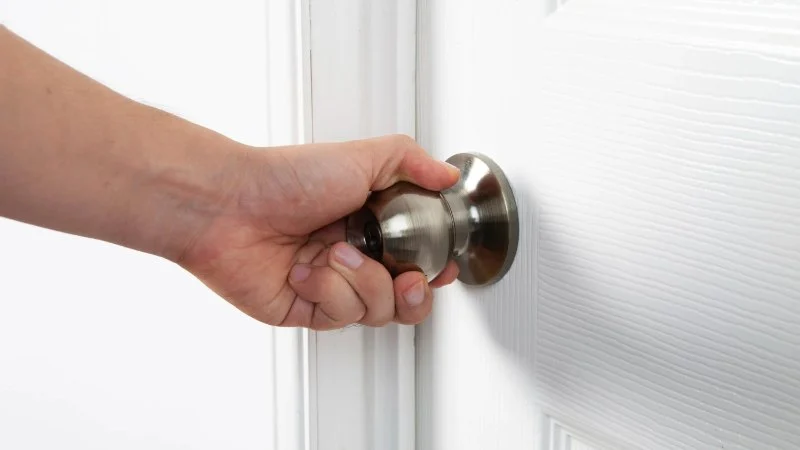
Few household frustrations feel as urgent as standing in front of your door, turning the key, and realizing nothing is happening. The situation where a door lock spins but doesn’t open usually signals a mechanical failure inside the lock assembly rather than a simple jam.
Inside a typical lock, multiple components must align perfectly: the cylinder, the cam, and the latch mechanism. When one of these parts disconnects, the key can rotate freely without engaging the latch. It feels like something should be working—but nothing moves behind the door.
A homeowner in Chicago once shared how they returned from work late at night only to find their front door handle spinning endlessly. The lock had slowly deteriorated over months due to internal wear, and the final failure happened at the worst possible time.

How a Lock Normally Works (And What Breaks Inside)
The Role of the Cylinder
The lock cylinder is the heart of the system. When the correct key is inserted, it rotates internal pins into alignment. This motion should transfer force to the cam or tailpiece, which then retracts or extends the latch.
When the cylinder becomes disconnected from the cam, the key turns freely. This is one of the most common reasons for a lock cylinder turning freely issue.

The Hidden Connection Point Failure
Inside the mechanism, a small metal connector links the rotating cylinder to the latch system. Over time, this connector can wear down or snap completely. When that happens, the handle or key still rotates—but the latch never responds.
Common Causes Behind a Spinning Door Lock
1. Internal Wear and Mechanical Fatigue
Locks are designed for thousands of cycles, but not infinite use. Years of daily turning gradually weaken springs, pins, and connectors. Eventually, the system loses structural integrity.
2. Loose Set Screws or Misalignment
One overlooked cause is a simple loose screw inside the lock assembly. When alignment shifts even slightly, the cylinder may spin without engaging the latch correctly.
3. Broken Cam or Tailpiece
The cam is the small rotating arm that connects the cylinder to the latch. If it breaks, the turning motion never reaches the door mechanism. This is often the most direct cause of a stuck door lock fix scenario requiring repair.
4. Forced Entry Damage
In some cases, previous break-in attempts or rough handling weaken internal components. Even if the damage isn’t immediately visible, it can lead to delayed failure.
Real-Life Case: The Apartment Door That Failed at Midnight
A tenant in New York reported that their apartment door began feeling “loose” weeks before the incident. The handle rotated slightly more than usual, but still worked—until it didn’t.
One night, after returning home, the key turned freely and the lock spun endlessly. A later inspection revealed that the internal tailpiece had snapped due to gradual wear combined with temperature expansion from seasonal changes.
This is a classic example of why ignoring early warning signs often leads to full lock failure at inconvenient times.
Safe Steps to Try Before Calling a Locksmith
Check the Door Alignment First
Sometimes the issue is not the lock itself but the door frame shifting slightly. Try gently lifting or pressing the door while turning the key to see if the latch catches.
Inspect the Handle and Exterior Hardware
Loose screws around the handle or knob can disconnect internal components. Tightening visible screws may temporarily restore function.
Listen for Internal Movement
When turning the key, listen closely. If there is no resistance at all, the internal linkage has likely failed completely.
Avoid Excessive Force
Forcing the key or handle can worsen internal damage. Once the mechanism is compromised, additional pressure rarely helps and often makes repair more expensive.
When the Problem Requires Professional Repair
If the lock spins freely with no engagement, internal components have likely failed. At this point, disassembly or replacement is typically necessary.
Many homeowners attempt repeated turning or lubrication, but these steps rarely fix mechanical disconnection issues. A professional locksmith repair guide approach usually involves removing the cylinder and inspecting the cam and tailpiece directly.
For reliable help, many users turn to services like Locksmith Finder to locate experienced technicians who can diagnose whether repair or full replacement is the better option.
Preventing Future Lock Failures
Regular Maintenance and Lubrication
Locks benefit from occasional maintenance using appropriate lubricants designed for mechanical systems. This reduces friction and slows wear.
Early Warning Awareness
If a lock begins feeling loose, sticky, or inconsistent, it is often a sign of internal degradation. Addressing these signs early can prevent full failure.
Avoid Over-Turning the Key
Excessive force or repeated aggressive turning increases stress on the internal cam system. Gentle operation extends the lifespan significantly.
Understanding When Replacement Is the Smarter Choice
Not every lock issue is worth repairing. If internal components are broken or the housing is worn beyond stability, replacement becomes more cost-effective and secure.
Older locks also lack modern security features, meaning upgrading can improve both reliability and safety at the same time.
A spinning lock is more than an inconvenience—it’s a warning sign that the system is no longer functioning as designed. Recognizing that signal early can prevent emergency lockouts and costly repairs.
 KeyMe Locksmiths4.0 (19 reviews)
 KeyMe Locksmiths5.0 (5 reviews)
 TopLock Pros LLC4.0 (178 reviews)
 Amazing Tim Locksmith5.0 (172 reviews)
 Locksmith Near Me4.0 (83 reviews)
 KeyMe Locksmiths4.0 (26 reviews)
 How to Secure Your Storage Unit: Locksmith Solutions
 The Benefits of Installing an Intercom System in Your Home
 How to Safely Remove Broken Keys From Lock Cylinders
 How to Handle a Broken Key: Locksmith Solutions
 Find a Reliable Locksmith Near Me in Oklahoma City OK for Emergencies Guide
 Can a Locksmith Near Me Fix Broken Door Locks Without Replacement | Expert Insights