
Car Key Replacement: Verify Ownership and Programming
On this page
Replacing a modern car key can involve cutting a mechanical blade, programming a transponder, pairing a remote, configuring a proximity fob, retrieving a key code, or coordinating with the vehicle's immobilizer. The exact service depends on make, model, year, trim, existing keys, and the hardware currently installed.
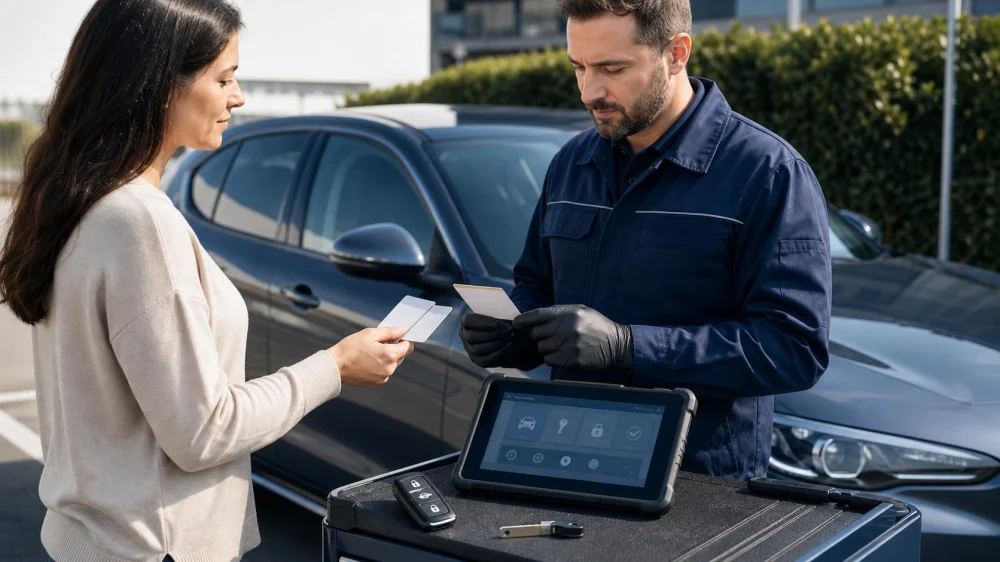
A legitimate locksmith, dealership, or authorized automotive service will require proof that you may access the vehicle. Prepare ownership and identity records without posting them publicly. When a child, vulnerable person, or pet is locked inside or another immediate danger exists, call emergency services first rather than shopping for a routine replacement.
Before calling, search calmly for a spare, confirm that the key is actually missing, and check whether roadside assistance, insurance, a manufacturer program, rental company, employer, or fleet manager has a required process. Do not enter restricted property or break a window to retrieve a key during a stressful lockout or rushed travel situation unless emergency authorities direct the response.
Identify the key system
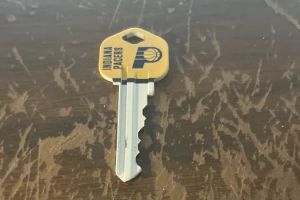
Describe whether the key is a simple metal blade, remote-head key, separate remote, flip key, transponder key, proximity fob, smart key, card, or phone-based credential. Photograph an existing spare and the vehicle without exposing the full key pattern or identification numbers.
Provide the exact year, make, model, trim, and market. Vehicles that look alike can use different frequencies, chips, blades, and programming procedures. Aftermarket alarms, remote starters, locks, or ignition work may change compatibility.
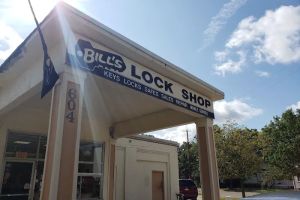
BILL'S lOCK SHOP, INC.
KalamazooKalamazoo CountyMichigan
604 S Westnedge Ave, Kalamazoo, MI 49007, USA
Gather vehicle and ownership records
Have government-issued identification and a current registration, title, rental agreement, fleet authorization, or other document connecting you to the vehicle. Requirements vary by provider and jurisdiction. The name and address should be explained when records differ.
Locate the vehicle identification number from legitimate records or the vehicle's normal display locations. Share it only through a verified provider's secure process. Do not send identity documents or VIN details to an unverified social media account.
Choose an authorized provider
Ask whether the locksmith is licensed or registered where required, insured, experienced with the specific vehicle, and able to document the work. Verify the business through official sources and a published contact route. A generic ad does not establish qualifications.
Some vehicles, warranties, subscriptions, or security systems require dealership or manufacturer involvement. Ask both the vehicle maker's authorized service and a qualified automotive locksmith what each can perform. Compare scope, travel, timing, towing, and total price.
Confirm the complete service
Request a written estimate showing service call, lockout entry if needed, key blank or fob, blade cutting, code retrieval, programming, emergency or after-hours charge, tax, battery, and testing. Ask which costs may change after inspection.
Clarify whether the quote produces one fully functioning key or only a cut blade. A remote that unlocks doors but does not start the engine is incomplete when start authorization was part of the request. Confirm warranty and return terms for electronic parts.
Compare parts and programming
Ask whether the part is original equipment, manufacturer-approved, new aftermarket, refurbished, or customer-supplied. Confirm compatibility and whether every promised button will work. A visually matching shell may contain the wrong electronics.
Customer-supplied keys can be incorrect, previously locked to another vehicle, or non-returnable after cutting. Ask who bears that risk. Programming may require all working keys to be present, stable vehicle battery voltage, and access to an authorized security system.
Ask about all-keys-lost cases
When no working key remains, the procedure and proof requirements may be different. The provider may need additional security data, modules, waiting periods, or dealership support. Tell them clearly that all keys are lost before they travel.
Do not attempt to bypass the immobilizer, force the ignition, or manipulate wiring. These actions can damage modules, trigger anti-theft states, affect insurance evidence, or create safety risks. Secure the vehicle while arranging authorized service.
Review mobile service safety
Give a safe exact location and describe parking structure clearance, traffic, lighting, weather, and whether the vehicle is on private property. Obtain property or fleet permission when needed. A technician should not work in an active traffic lane or unsafe roadside position.
Confirm the technician's business identity before granting access and ask for an invoice. Keep personal items and documents secure. Do not hand over account passwords or unrelated phone credentials; phone-based key setup should use the vehicle owner's own authorized account.
Test every function
Before the technician leaves, test mechanical door entry, remote lock and unlock, trunk or hatch, panic button, proximity detection, engine start, and emergency blade as applicable. Test from more than one door and with the vehicle fully turned off and restarted.
Compare existing working keys to make sure they still function. Check dashboard warnings and confirm that no trim or lock was damaged. Do not accept “programming takes time to settle” as a substitute for the agreed immediate test without a documented technical explanation.
Manage lost-key security
Ask whether the missing key can be deleted from the vehicle's authorized key memory and whether its mechanical blade could still open a door. Electronic deletion may prevent starting while leaving a physical access risk. Options vary by system.
When the key was stolen with identifying documents or location information, consider vehicle relocation, mechanical rekeying, account security, and a police or insurance report as appropriate. Preserve dates, serials, and communications.
Save the final records
Keep the invoice, provider, date, part number, key count, programming result, warranty, proof checked, and keys removed from memory. Avoid recording the full mechanical cut pattern in an unsecured note. Store the spare in a controlled location.
Update fleet, household, rental, or insurance records as authorized. Tell other lawful drivers which old keys no longer work. Replace fob batteries under the product guidance and make a backup plan before the only new key is lost.
Replacement key checklist
Confirm vehicle details, key type, ownership proof, provider credentials, part source, full scope, programming, travel, after-hours fees, warranty, all-keys-lost status, lost-key deletion, and testing. Keep a paid invoice.
A successful replacement does more than produce a key-shaped object. It verifies authority, matches the vehicle's electronics and mechanics, restores every agreed function, addresses missing-key security, and leaves a clear record for the next owner or service visit.
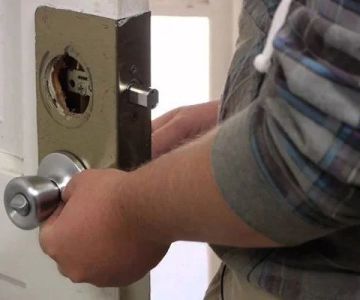
 KeyMe Locksmiths4.0 (397 reviews)
 Minute Key1.0 (1 reviews)
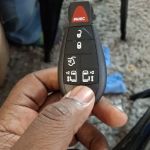 J and B Locksmith LLC4.0 (152 reviews)
 KeyMe Locksmiths4.0 (20 reviews)
 E.R. Locksmith Services5.0 (372 reviews)
 KeyMe Locksmiths4.0 (23 reviews)
 How to Protect Your Office During Off-Hours with Locks and Alarms
 How to Protect Your Home From Burglars Using Technology and Locks
 How to Secure Your Storm Door: Locksmith Solutions
 How to Secure Your Front and Back Doors With Deadbolts: A Comprehensive Guide
 How to Secure Your Garden Shed: Locksmith Solutions
 Locksmith Advice for Handling Lockouts Without Causing Damage