
- 1-Signs-your-door-lock-is-failing
- 2-Common-causes-of-lock-issues
- 3-When-to-repair-vs-replace
- 4-Inspection-tips-for-assessing-lock-health
- 5-Tools-and-techniques-for-basic-repairs
- 6-Choosing-the-right-replacement-lock
- 7-Enhancing-security-with-upgrades
- 8-Real-life-examples-of-lock-failures
- 9-Preventive-maintenance-tips
- 10-Professional-services-and-resources
- 11-Final-advice-for-locked-safety
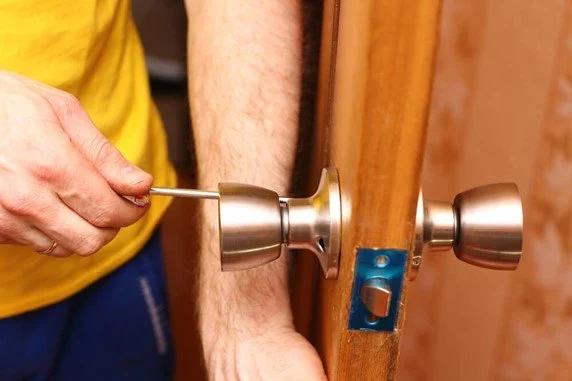
1. Signs Your Door Lock Is Failing
Identifying early signs of a failing door lock is crucial for home security. Common symptoms include:
- Difficulty turning the key or deadbolt
- Loose or wobbly lock components
- Visible corrosion or rust on the lock mechanism
- Door latch not aligning properly with the strike plate
- Frequent jamming or sticking
Recognizing these indicators early helps determine whether a repair or replacement is necessary before security is compromised.
2. Common Causes of Lock Issues
Understanding why locks fail is essential for effective maintenance. Causes often include:
- Wear and tear: Frequent use can degrade internal components over time.
- Environmental factors: Exposure to moisture, extreme temperatures, and UV light can corrode and weaken locks.
- Misalignment: Shifting door frames or settling foundations may cause latch misalignment.
- Forced entry attempts: Tampering can damage internal mechanisms, requiring professional assessment.
Identifying the underlying cause informs whether a simple repair suffices or a full replacement is warranted.
3. When to Repair vs Replace
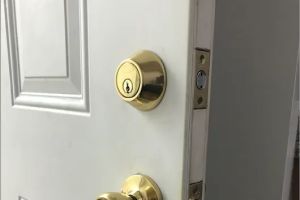
Deciding between repair and replacement depends on the lock’s condition and type. Repair may be sufficient for:
- Minor alignment issues
- Lubrication problems causing stiffness
- Surface corrosion that can be cleaned
Replacement is often necessary if:
- The lock is outdated or lacks modern security features
- Internal components are severely worn or damaged
- There is evidence of tampering or break-in attempts
Assessing these factors ensures that home security is not compromised while minimizing unnecessary costs.
4. Inspection Tips for Assessing Lock Health
Proper inspection involves both visual and functional assessments:
- Check key insertion and turning smoothness
- Examine deadbolt alignment with strike plate
- Inspect screws, plates, and housing for looseness or wear
- Test latch engagement and door movement
- Listen for unusual grinding or resistance
Thorough inspections reveal hidden issues and help determine whether DIY repair or professional replacement is required.
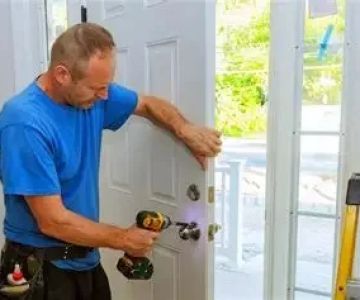
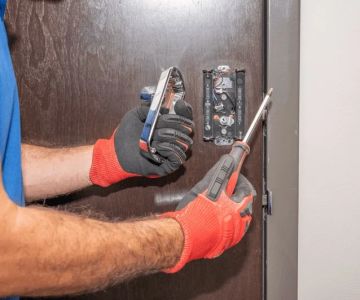
5. Tools and Techniques for Basic Repairs
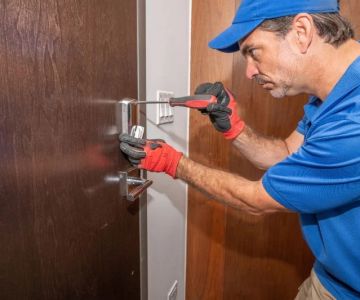
Basic repair methods can extend a lock’s life. Techniques include:
- Lubricating pins and internal components with graphite powder
- Tightening loose screws and plates
- Realigning latch or strike plate with minimal adjustments
- Replacing worn keys to reduce strain on the lock
While DIY repairs can address minor issues, complex problems involving internal mechanisms often require professional assistance.
6. Choosing the Right Replacement Lock
When replacement is necessary, select locks that match your security needs and door type. Consider:
- Deadbolt vs keyed entry vs smart locks
- ANSI/BHMA security ratings for durability
- Compatibility with existing door frames and keys
- Additional features such as anti-pick pins or keyless entry
Choosing the right replacement ensures long-term security and minimizes future maintenance needs.
7. Enhancing Security with Upgrades
Lock replacement is an opportunity to enhance overall security. Options include:
- Installing reinforced strike plates
- Adding high-security deadbolts
- Integrating smart lock technology for remote access and monitoring
- Using key control systems to prevent unauthorized duplication
Upgrading locks in tandem with other home security measures creates a comprehensive safety strategy.
8. Real-Life Examples of Lock Failures
Consider a homeowner in Chicago whose front lock began jamming during winter months. Regular lubrication temporarily resolved the issue, but persistent stiffness indicated internal wear. Consulting Locksmith Finder led to professional replacement with a high-security deadbolt, improving safety and reliability. Another case involved a rental property with frequent lock complaints. Replacing old locks with smart locks minimized tenant issues and increased property security. These examples highlight the importance of timely evaluation and expert input.
9. Preventive Maintenance Tips
Maintaining locks can prevent future problems. Tips include:
- Regularly lubricating lock components with graphite or silicone spray
- Checking alignment and tightening screws every six months
- Replacing worn keys to reduce internal stress
- Testing locks periodically for smooth operation
Proactive maintenance extends lock life and preserves home security without frequent replacements.
10. Professional Services and Resources
For complex or high-security needs, professional locksmiths provide comprehensive services:
- Emergency lockout assistance
- Lock repair and replacement for damaged or aged systems
- Security assessments and upgrade recommendations
- Installation of advanced smart locks and high-security hardware
Using services from Locksmith Finder ensures reliable, certified professionals who can tailor solutions to your property and security requirements.
11. Final Advice for Locked Safety
Regularly inspecting and maintaining door locks, recognizing early warning signs, and making informed decisions between repair and replacement are key to maintaining a secure home. For comprehensive solutions, consult Locksmith Finder for expert guidance, professional installation, and recommended lock products. By following these strategies, you can confidently determine how to tell if your door lock needs repair or replacement and ensure lasting home security.

 KeyMe Locksmiths4.0 (5 reviews)
 KeyMe Locksmiths4.0 (19 reviews)
 KeyMe Locksmiths5.0 (1 reviews)
 Columbia Lock & Key4.0 (218 reviews)
 KeyMe Locksmiths3.0 (5 reviews)
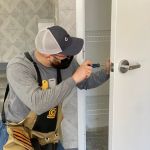 KeyMe Locksmiths4.0 (13 reviews)
 The Importance of Installing a Smart Lock on Your Dog Door
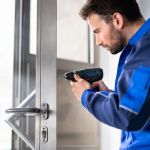 The Risks of Cheap Locksmith Services and How to Avoid Them
 How to Protect Your Office During Off-Hours with Effective Locks and Alarms
 How to Secure Your Fence Gate: Locksmith Solutions for Maximum Protection
 How to Protect Your Office During Off-Hours with Locks and Alarms
 How to Secure Your Basement Windows Against Break-Ins