
- 1-Why Door Locks Freeze in Winter
- 2-Immediate Solutions for a Frozen Lock
- 3-Using Heat Safely to Unfreeze Locks
- 4-Lubrication and Preventive Measures
- 5-Tools and Home Remedies That Work
- 6-When to Call a Professional Locksmith
- 7-Real-Life Examples and Lessons Learned
- 8-Long-Term Door Lock Care and Winter Tips
1. Why Door Locks Freeze in Winter
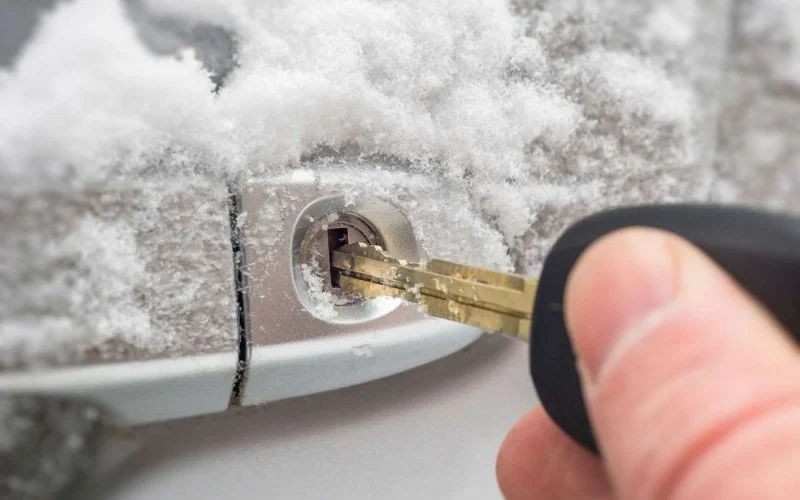
When temperatures drop below freezing, your door lock can become completely unresponsive. The main reason is water or moisture inside the lock cylinder, which expands as it freezes. Even small amounts of condensation can cause your key to jam, leaving you locked out.
Another contributing factor is the design of the lock. Older or poorly insulated locks are more susceptible to freezing. Locks near drafty doors or exposed areas experience temperature fluctuations that can accelerate the freezing process.
Understanding What to Do If Your Door Lock Is Frozen During Winter starts with recognizing why this problem happens so you can respond quickly and safely.
2. Immediate Solutions for a Frozen Lock
2.1 Check for Obvious Ice
Before trying more complicated methods, inspect the lock and keyhole for visible frost or ice. Sometimes, just gently warming the key can make a difference.

2.2 Warm the Key
One effective trick is to use a lighter or match to warm the key before inserting it into the lock. Ensure the key is not too hot to avoid burning your fingers or damaging the lock mechanism.
2.3 Avoid Force
Never force your key into a frozen lock. This can bend the key or break internal components. Gentle maneuvers are safer, and if nothing works, calling an expert is wiser.
3. Using Heat Safely to Unfreeze Locks
3.1 Hair Dryers and Heat Guns
A hair dryer can provide steady warmth to the lock cylinder. Hold it a few inches away to prevent warping metal. Heat guns can be more powerful but require caution to avoid burning surrounding surfaces.
3.2 Warm Water: Caution Needed
Pouring warm water over the lock is a common idea but can be risky. While it melts ice temporarily, it may refreeze quickly. Always dry the lock immediately after using water to prevent recurring freezing.
3.3 Pocket Warmers or Heated Gloves
For frequent winter problems, consider keeping chemical pocket warmers or heated gloves handy to gently warm your keys and locks.
4. Lubrication and Preventive Measures
4.1 Graphite Powder or Silicone Spray
Lubricating your lock with graphite powder or silicone spray prevents water from sticking and freezing inside. Avoid oil-based lubricants, as they can thicken in cold temperatures and worsen the issue.
4.2 Lock Covers and Door Insulation
Using weatherproof covers and improving door insulation reduces exposure to cold and moisture, minimizing freeze risk.
4.3 Regular Maintenance
Seasonal checks help identify rust, moisture buildup, or misalignment issues. Simple maintenance routines can prevent costly lock damage.
5. Tools and Home Remedies That Work
5.1 Key De-Icers
Available at most hardware stores, chemical key de-icers are designed to melt ice inside lock cylinders quickly and safely.
5.2 Hand Sanitizer or Alcohol Solutions
Alcohol-based solutions can temporarily melt ice due to their low freezing point. Apply a few drops into the keyhole and wait a few moments before turning the key.
5.3 Hair Dryer or Heating Pad Combination
Using heat in combination with lubrication or de-icers often works faster than any single method. Gentle warmth melts ice while lubricants prevent re-freezing.
6. When to Call a Professional Locksmith
If your attempts to unfreeze a lock fail, calling a professional locksmith is the safest option. For extreme winter conditions or complex lock mechanisms, experts can provide safe entry and repair. Platforms like Locksmith Finder connect you to trusted, licensed professionals quickly, ensuring your property is not damaged.
Attempting aggressive methods like hammering, drilling, or excessive force can result in permanent lock damage. Professionals have specialized tools and experience for these situations.
7. Real-Life Examples and Lessons Learned
One homeowner in Minnesota tried pouring boiling water on a frozen lock. While the ice melted momentarily, it refroze within minutes, trapping him outside. A locksmith recommended using a combination of a key de-icer and gentle heat, which successfully resolved the problem without damaging the lock.
Another case involved a property manager in Chicago who insulated locks during winter. Despite sub-zero temperatures, tenants rarely reported frozen locks, demonstrating the effectiveness of preventive measures.
8. Long-Term Door Lock Care and Winter Tips
8.1 Seasonal Lubrication
Applying non-oil-based lubricants before winter can prevent moisture buildup. A few minutes of seasonal maintenance saves time, frustration, and money.
8.2 Protective Accessories
Lock covers, door insulation, and shielded entryways provide extra protection against harsh winter elements.
8.3 Emergency Preparedness
Keep de-icers, alcohol solutions, or spare keys accessible. Plan for potential lock freezing before winter arrives, reducing emergency situations.
Understanding What to Do If Your Door Lock Is Frozen During Winter empowers homeowners to handle frozen locks efficiently while preventing long-term damage. By combining immediate solutions, preventive measures, and professional assistance from services like Locksmith Finder, you can ensure safe and reliable access throughout the coldest months.

 BG Lock & Key4.0 (25 reviews)
 KeyMe Locksmiths3.0 (2 reviews)
 Minute Key4.0 (1 reviews)
 Minute Key0.0 (0 reviews)
 KeyMe Locksmiths2.0 (3 reviews)
 Karlock4.0 (154 reviews)
 How to Secure Your Shed: Locksmith Solutions for Maximum Protection
 What to Do If You Are Locked Out of Your Hotel Room
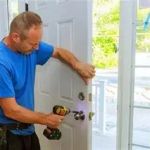 Best Ways to Secure Your Front Door According to Locksmith Experts
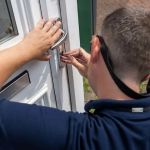 How to Find Emergency Locksmith Near Me With Transparent Pricing
 Why You Should Avoid Using Unlicensed Locksmith Services: Risks & Solutions
 How to Protect Your Car From Being Broken Into