
- 1-Understanding-Child-Lockouts
- 2-Immediate-Safety-Measures
- 3-Assessing-The-Situation
- 4-Communicating-With-Your-Child
- 5-Using-Spare-Keys-Or-Neighbors-Help
- 6-Contacting-A-Professional-Locksmith
- 7-Safe-Ways-To-Enter-The-House
- 8-Preventing-Future-Lockouts
- 9-Teaching-Children-About-Door-Safety
- 10-Choosing-Key-Management-Strategies
- 11-Understanding-Emergency-Lockout-Services
- 12-Tools-And-Techniques-Parents-Can-Use
- 13-Avoiding-Damage-To-Doors-Or-Locks
- 14-Psychological-Considerations-For-Children
- 15-Documenting-Lessons-For-Family-Safety
- 16-Emergency-Preparedness-And-Planning
- 17-Learning-From-Real-Life-Examples
- 18-Follow-Up-After-Lockout-Incidents
- 19-Communicating-With-Older-Children
- 20-Integrating-Technology-Smart-Locks
- 21-Reinforcing-Household-Rules
- 22-Understanding-Common-Parenting-Mistakes
- 23-Finding-Reliable-Locksmiths
- 24-Cost-Considerations-For-Lockout-Services
- 25-Time-Efficiency-In-Emergencies
- 26-Insurance-And-Liability-Considerations
- 27-Creating-Spare-Key-Systems
- 28-Educating-All-Family-Members
- 29-Emergency-Number-And-Contact-List
- 30-Following-Locksmith-Safety-Guidelines
- 31-Monitoring-Child-Behavior-Patterns
- 32-Avoiding-Overreaction-And-Stress
- 33-Strategies-For-Repeated-Lockouts
- 34-Preparing-For-Vacation-Or-Travel
- 35-Using-Smart-Home-Technology
- 36-Setting-Boundaries-With-Children
- 37-Recognizing-Emotional-Triggers
- 38-Developing-Preventive-Routines
- 39-Learning-From-Professional-Advice
- 40-Maintaining-Family-Communication
- 41-Creating-A-Lockout-Plan
- 42-Real-Life-Case-Studies
- 43-Following-Up-On-Children-Education
- 44-Mental-Health-And-Parenting-Considerations
- 45-Conclusion-And-Next-Steps
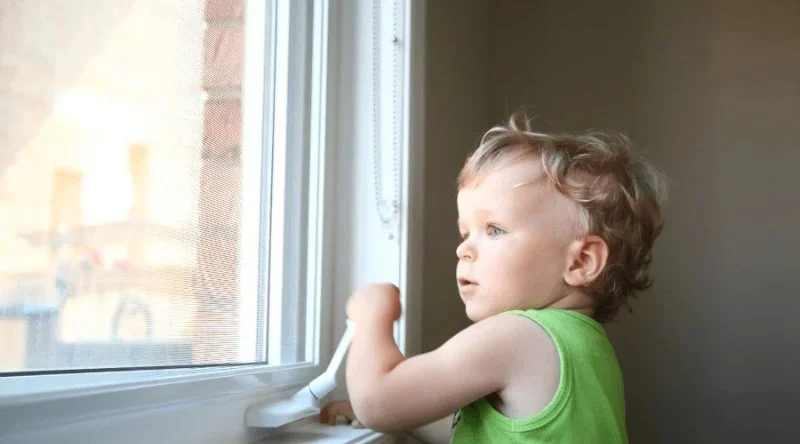
1. Understanding Child Lockouts
When a child locks you out of the house, it can cause stress and urgency. Understanding the common reasons—curiosity, play, or mischief—helps you approach the situation calmly.

2. Immediate Safety Measures
Ensure your child is safe inside and check for any windows or alternative entrances. Avoid panic and evaluate if there is an immediate safety risk.

3. Assessing the Situation
Take a moment to determine the severity of the lockout. Is it just a simple door lock or are there potential hazards like pets or dangerous items inside?
4. Communicating With Your Child
Use calm and reassuring language to talk through the door. Ask your child to unlock it and explain the situation clearly to encourage cooperation.
5. Using Spare Keys or Neighbors’ Help
If spare keys are available, retrieve them from trusted neighbors or family members. This is often the quickest solution while maintaining safety.
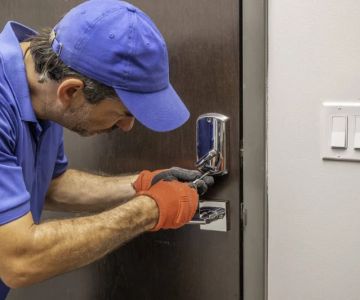
6. Contacting a Professional Locksmith
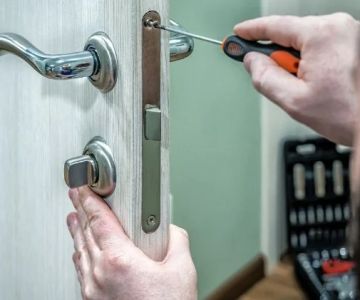
If all else fails, call a trusted locksmith. Services like Locksmith Finder provide emergency assistance to safely unlock your home without causing damage.
7. Safe Ways to Enter the House
Never attempt unsafe methods such as climbing through windows or forcing doors, as these can cause injury or damage property. A professional locksmith ensures safe entry.
8. Preventing Future Lockouts
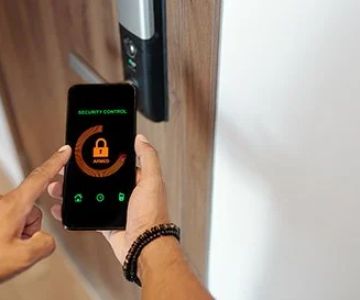
Install spare keys in secure locations, educate your child about door safety, and consider smart locks that allow remote access to reduce the chance of recurrence.
9. Teaching Children About Door Safety
Explain to children the potential dangers of locking doors without supervision. Teach responsible use to encourage safety and cooperation.
10. Choosing Key Management Strategies
Consider options like coded locks, key boxes, or duplicate keys. Establish a system that ensures you can always access your home while maintaining security.
11. Understanding Emergency Lockout Services
Know what emergency locksmith services offer, including 24/7 availability, quick response times, and non-destructive entry techniques.
12. Tools and Techniques Parents Can Use
Small tools like credit-card-style lock picks or other non-invasive methods may help, but professional locksmiths are always the safer option.
13. Avoiding Damage to Doors or Locks
Trying to force a door or use improvised tools can lead to costly repairs. Professionals use techniques that protect property while restoring access.
14. Psychological Considerations for Children
Understand that children may find locking doors amusing or empowering. Approach the situation without anger and turn it into a teaching opportunity.
15. Documenting Lessons for Family Safety
Record instances of lockouts to identify patterns and educate the child. This proactive approach helps prevent repeat incidents.
16. Emergency Preparedness and Planning
Establish a family plan for lockouts, including key locations, emergency contacts, and procedures. Preparedness reduces stress and response time.
17. Learning from Real-Life Examples
Case studies show families that implement spare key systems and educate children experience fewer emergencies and less household stress.
18. Follow-Up After Lockout Incidents
Discuss the incident calmly with your child, reinforce lessons about safety, and review your lockout plan to prevent future issues.
19. Communicating With Older Children
Older children may need detailed explanations about responsibility and consequences. Open dialogue encourages understanding and cooperation.
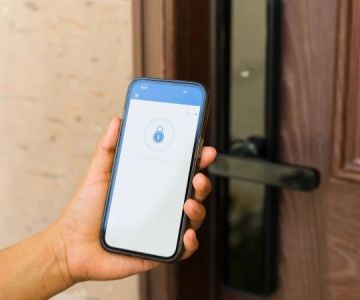
20. Integrating Technology and Smart Locks
Smart locks with remote access and temporary codes provide convenience and prevent accidental lockouts while maintaining home security.
21. Reinforcing Household Rules
Set clear rules about door use and ensure children understand them. Consistent enforcement helps build responsibility and awareness.
22. Understanding Common Parenting Mistakes
Overreacting, punishing excessively, or ignoring the teaching moment can backfire. Focus on calm guidance and education.
23. Finding Reliable Locksmiths
Use verified services like Locksmith Finder for trustworthy, experienced locksmiths with emergency availability.
24. Cost Considerations for Lockout Services
Emergency locksmiths may charge premium rates for rapid response. Compare services and understand pricing to avoid surprises.
25. Time Efficiency in Emergencies
Rapid access minimizes child anxiety and parental stress. Professional locksmiths optimize entry time with minimal disruption.
26. Insurance and Liability Considerations
Check homeowner’s insurance or locksmith guarantees to cover potential damage or service costs during emergency lockouts.
27. Creating Spare Key Systems
Designate trusted neighbors or family members to hold spare keys. Ensure security and accessibility without giving unrestricted access.
28. Educating All Family Members
Teach siblings and adults the importance of proper door use and the procedures to follow if lockouts occur.
29. Emergency Number and Contact List
Maintain an accessible list of locksmiths and emergency contacts to ensure swift action during a lockout.
30. Following Locksmith Safety Guidelines
Adhere to guidance provided by professionals to avoid accidents, lock damage, or unnecessary stress during entry.
31. Monitoring Child Behavior Patterns
Observe tendencies that may lead to repeated lockouts and implement preventive strategies accordingly.
32. Avoiding Overreaction and Stress
Maintain composure; stress can escalate the situation. Calm, rational responses help children learn and prevent repeat incidents.
33. Strategies for Repeated Lockouts
Use combination of spare keys, smart locks, education, and supervision to prevent habitual lockouts by children.
34. Preparing for Vacation or Travel
Ensure spare keys, trusted contacts, and smart lock access are arranged before leaving home to prevent accidental lockouts during trips.
35. Using Smart Home Technology
Install remote-access locks or keyless entry systems to allow parents to unlock doors from a distance safely.
36. Setting Boundaries With Children
Define rules about door access and reinforce consequences calmly. Boundaries teach responsibility and awareness.
37. Recognizing Emotional Triggers
Understand why children lock doors—curiosity, attention-seeking, or play. Address underlying motives to prevent recurrence.
38. Developing Preventive Routines
Establish daily routines including checking doors and keys to minimize accidental lockouts.
39. Learning From Professional Advice
Follow recommendations from experienced locksmiths or parenting experts to handle lockouts efficiently and safely.
40. Maintaining Family Communication
Keep open discussions about safety and door use. Clear communication reduces incidents and builds trust.
41. Creating a Lockout Plan
Develop a plan for emergency situations, including key access, contacts, and instructions for children to follow if a parent is locked out.
42. Real-Life Case Studies
Families who implemented spare keys and smart locks reduced stress and improved safety when children accidentally locked parents out.
43. Following Up on Children Education
Reinforce lessons after lockouts. Teach children consequences and safe behavior regarding door locks.
44. Mental Health and Parenting Considerations
Lockouts can be stressful for parents. Maintain calm and use the situation as a teaching moment, ensuring emotional health for both parent and child.
45. Conclusion and Next Steps
In any lockout situation, prioritize safety, calm communication, and professional help. Use services like Locksmith Finder for fast and safe resolution. Implement preventive strategies, educate children, and integrate smart solutions to minimize future lockouts.

 KeyMe Locksmiths3.0 (3 reviews)
 Ashley Safe & Security4.0 (20 reviews)
 KeyMe Locksmiths4.0 (170 reviews)
 1st Choice Lock & Security4.0 (41 reviews)
 Tota Locksmith4.0 (421 reviews)
 KeyMe Locksmiths4.0 (38 reviews)
 Emergency Locksmith Near Me in Irvine CA for Fast Response Services
 The Benefits of Installing an Intercom System in Your Home
 How to Safely Remove Jammed Keys From Interior Locks
 The Importance of Installing a Smart Lock on Your Back Door – Home Security Guide
 What to Do If You Are Locked Out of Your Hotel Room
 Locksmith Tips for Securing Sliding Patio Doors and Windows